The title “The Clock Strikes”, taken from an 18th-century funeral song, became the signature of several different undertakings based on the songs of wandering singers – the Beggars (Dziady).
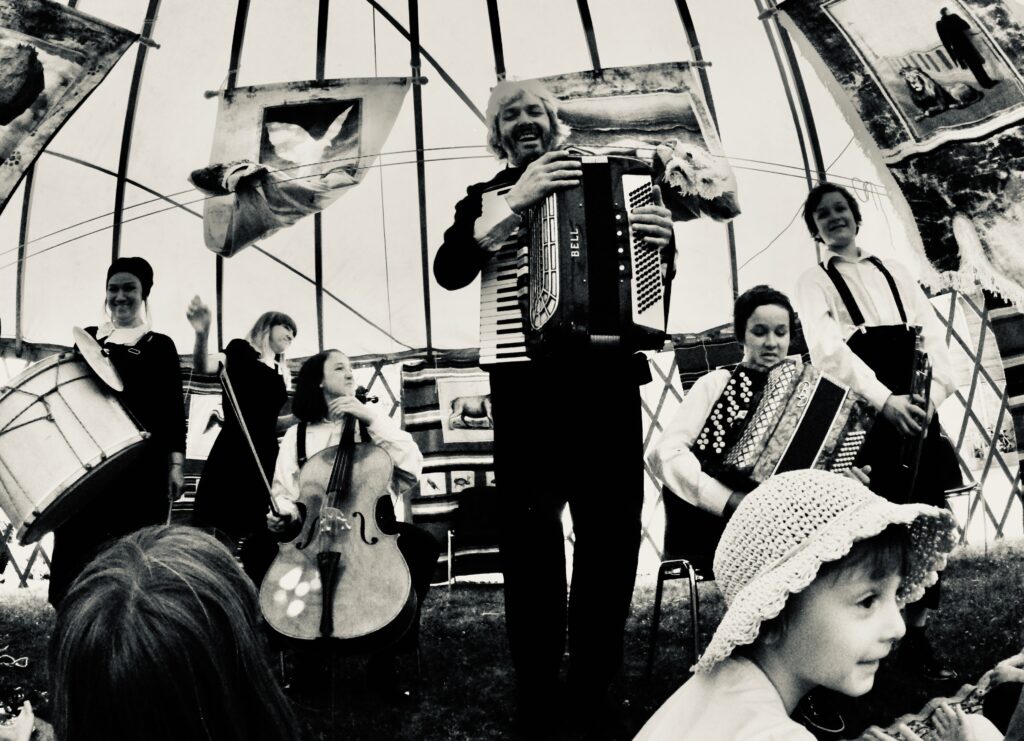
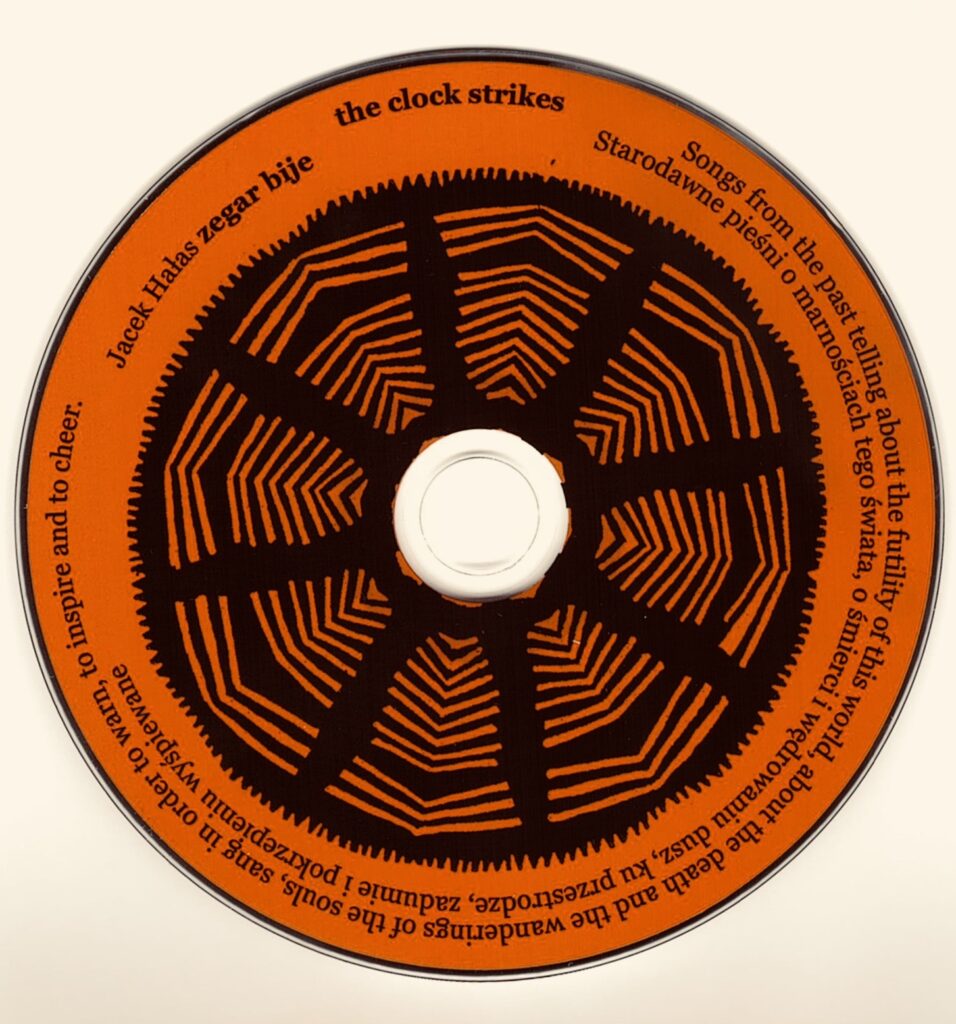
The concert repertoire was recorded in 2007 on the CD “The Clock Strikes” (“Zegar bije”), which was awarded at the New Tradition Festival. The album became the inspiration for the radio play “The Clock Strikes” by the Polish Radio Theatre, directed by Darek Błaszczyk, which was awarded in 2012 at the Two Theatres Festival. This repertoire also became the basis for the theatrical play “The Clock Strikes” by the “Noiseband” Family Orchestra and Theatre, directed by Darek Skibiński. Since its premiere in 2012, it has been successfully performed for 10 consecutive seasons in a Yurt, outdoors, and on stages throughout Europe.

Concerts / CD “The Clock Strikes”/ 2007
Ancient songs about love and death, the vanities of this world, and the migration of bodies and souls. Sung by Jacek Hałas for warning, reflection, and comfort. Songs of beggars, mendicants, wandering singers. Meditations on the essence of our presence in this world. Deliberations on sin and salvation, conversations of the Soul with the Body about fleetingness, of God with the Devil about eternity, Stories about Saints and the damned, terrible visions of the Apocalypse and the Judgment of all our deeds. True and made-up stories, tragic, comic, and cosmic.
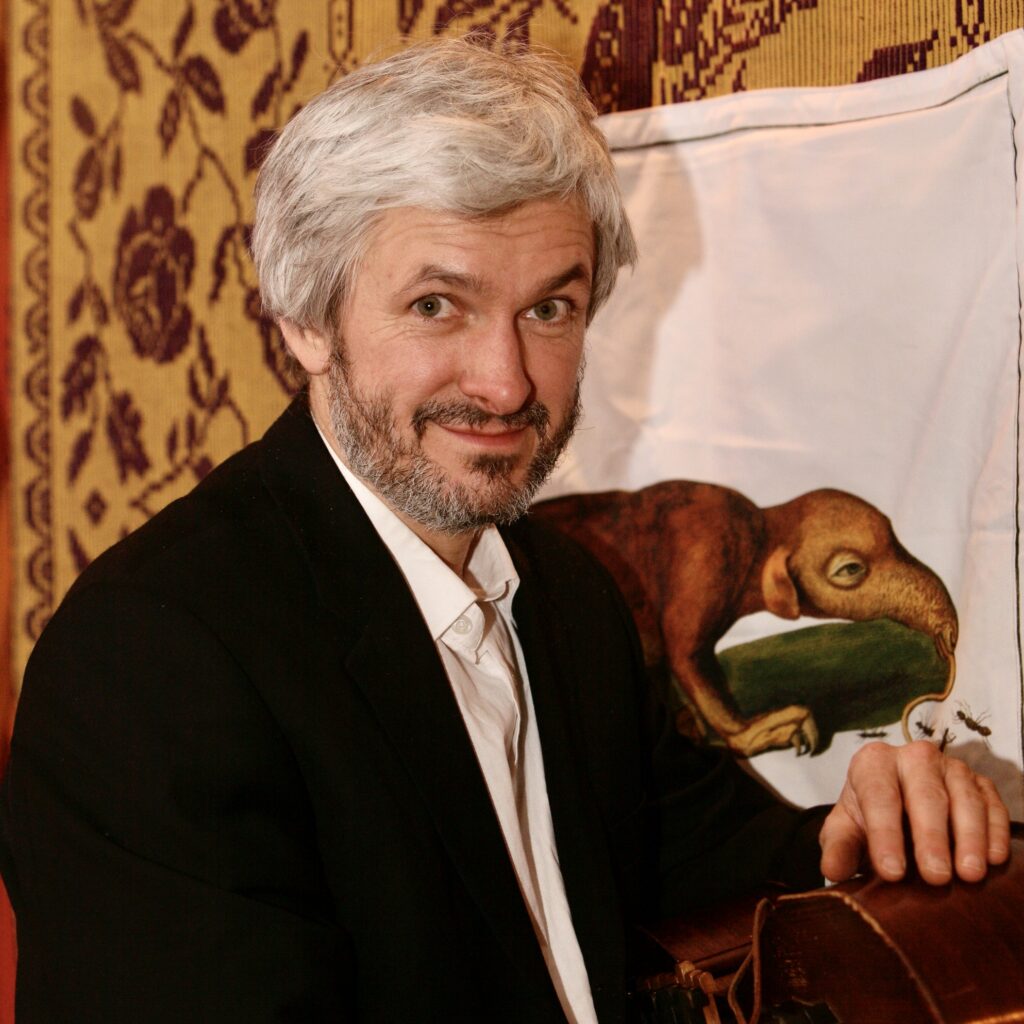
Jacek Hałas, an artist exploring various fields of traditional art for many years – singing, dance, instrumental music, and craftsmanship – has reached the few remaining traces of this forgotten wealth. Combining experience with imagination, and practicing playing the hurdy-gurdy – an archaic string instrument of Eastern European wanderers – he created on this basis a new, artistic form of the beggars’ art.
Tracks:
- The Girl from the Old Walled City / Wallachian song from Slobodan Markovic / trans. G. Djurdjev, J. Wichowska
- The Priest Came to the Sick Man / from Łęczyca region (acc. to O. Kolberg)
- A Youth Wandered / from Upper Silesia (acc. to K. Turek)
- Beautiful Soul, Lovely Flower / from Lublin region (acc. to O. Kolberg)
- Maundy Thursday after Supper / from Ruthenia (acc. to O. Kolberg)
- Oh Enormous Voice, Its Sad Note / from Podlachia from Br. Kuśmierowski
- And Whoever Sings This Song Three Times / from Galicia (acc. to O. Kolberg)
- The History of the Holy Family’s Journey / from Suwałki region from Z. Cieslukowa
- The Clock Strikes / acc. to The Hymnal of Devotional Songs, Szypliszki
THE HURDY-GURDY PLAYER (LIRNIK)
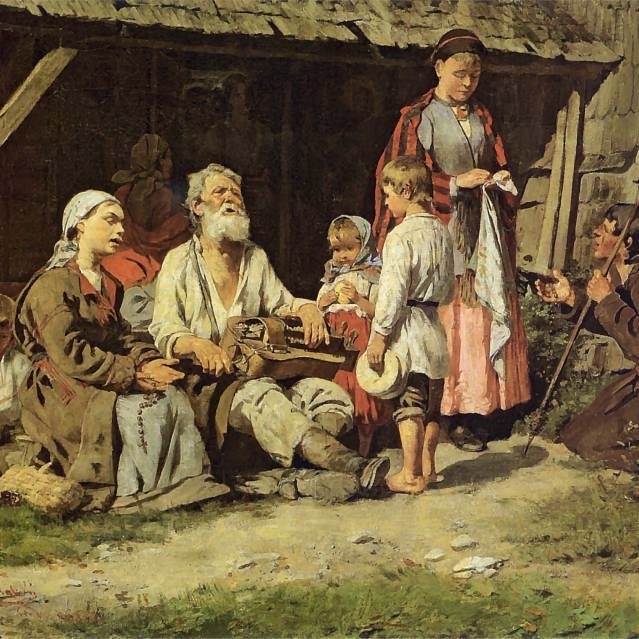
Wandering through the lands of the former Polish-Lithuanian Commonwealth, hurdy-gurdy players sang songs about saints, miraculous apparitions, the end of the world and the Last Judgment, death and the afterlife journey of souls, stories based on biblical and apocryphal themes, as well as tales of various “worldly” and local events. The rich and varied repertoire of the wandering beggars was characterized by texts that vividly depicted universal human truths, while reminding of the moral principles resulting from them. These deliberations, polished like noble metal for hundreds of years on the wilderness of Europe, acquired an expressive and beautiful form, amazing to this day with its craftsmanship and richness of imagination.
THE HURDY-GURDY (LIRA KORBOWA)
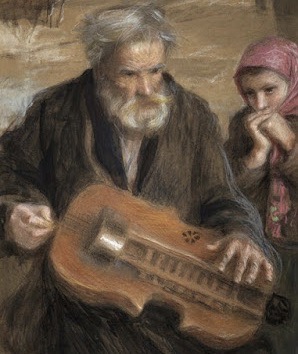
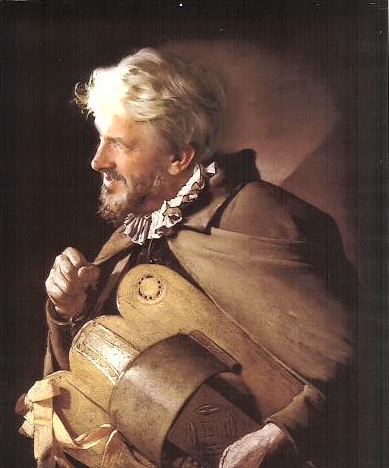
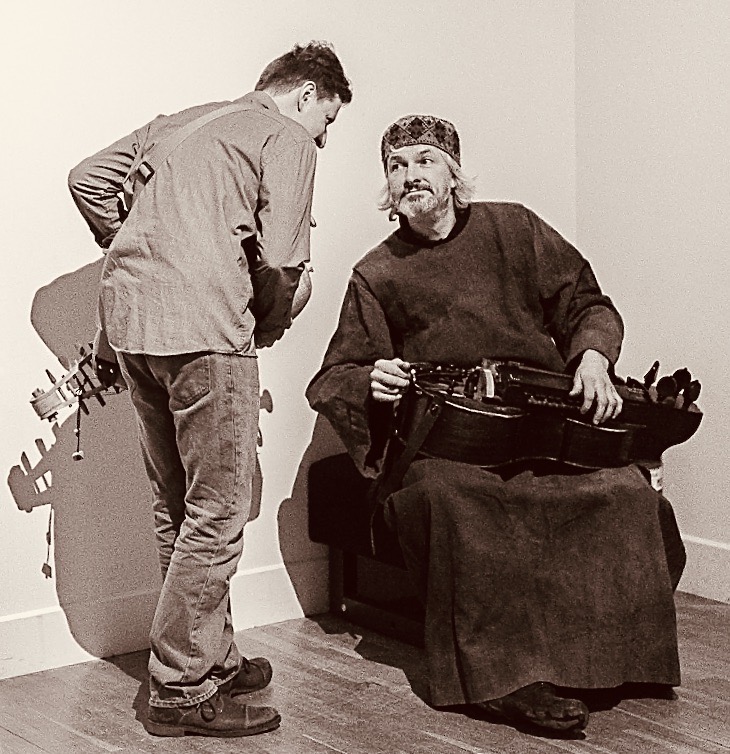
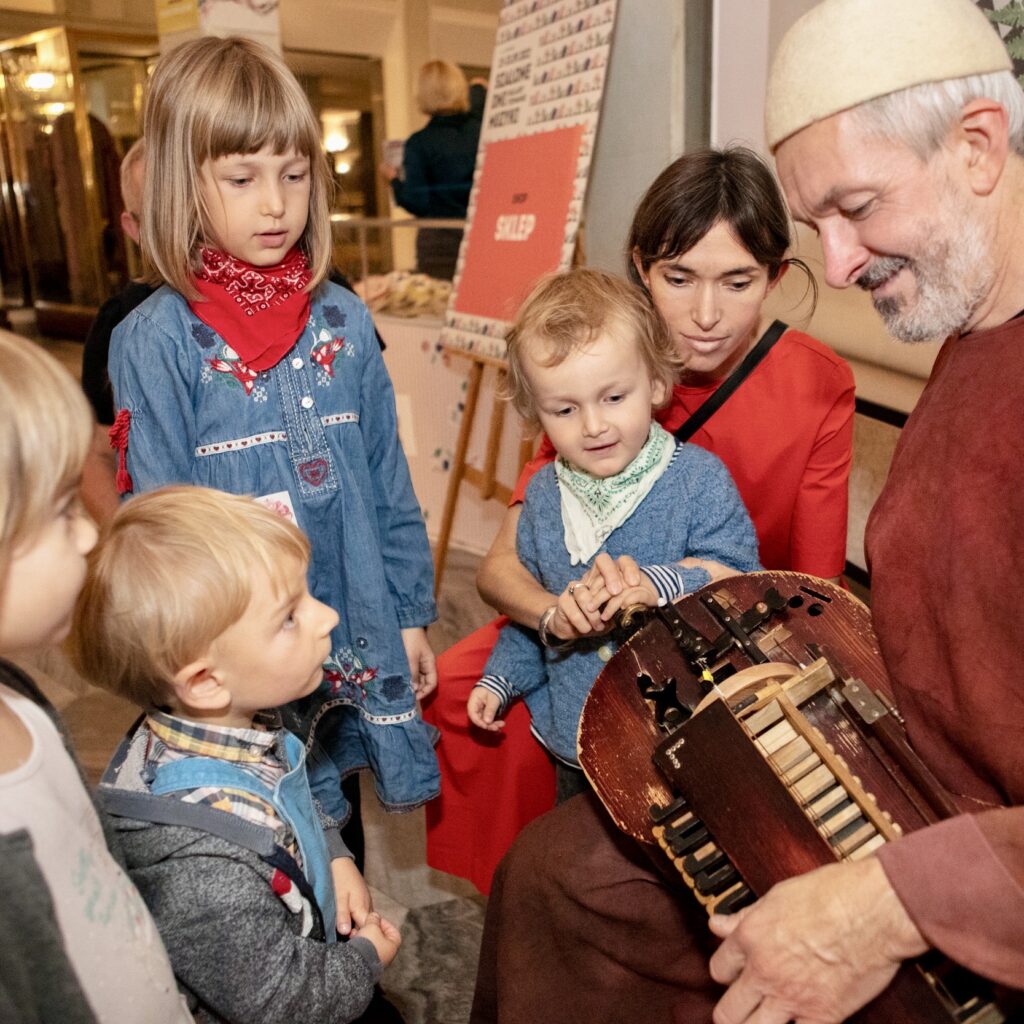
A string instrument built in the 11th century AD in southern Europe. A wheel, turned by a crank, acts as a circular bow set in a wooden resonance box. The melody played on the melody string using wooden keys is accompanied by the constant sound of drone strings. Throughout its long history, the hurdy-gurdy was associated with various types of music, serving different estates and social strata. In the Middle Ages, it was used mainly in religious polyphony. Later, it accompanied secular monody, epic works, and lyrical songs of troubadours. When it began to leave the walls of monasteries, churches, and universities at the end of the Middle Ages, it spread across Europe, and its role in secular music began to grow. Since the 17th century, it has been primarily a folk instrument. In most Eastern European literary, iconographic, and ethnographic sources, it is an attribute of the Lirnik / Wandering Beggar.
THE BEGGAR (DZIAD)
In the very diverse, multi-layered environment of mendicants, the “Dziad” belonged to the highest stratum. He knew much about sacred things, knew “effective” prayers and magical practices, knew how to heal, prepare medicinal mixtures, knew herbs, knew much about the world, taught and moralized, knew legends, and above all sung and played. If he was blind, he was believed to also have the gift of spiritual vision of present and future things. The Beggars/Hurdy-gurdy players made pilgrimages to holy places of Christian cult, arrived at indulgences, markets, and fairs, sang and played in front of churches, in cemeteries and inns, visited peasant huts, noble manors, small towns, and even large cities. The repertoire was adapted to the circumstances. They performed religious songs, historical dumy, ballads, often songs with social and news content, and frequently dance melodies as well.
The clock strikes, time flows like water in rivers.
Beware of unrewarded harm, oh human.
The clock strikes, the world sugars its dignities,
Oh how many have been deceived by its hypocrisies
The clock strikes, the body treats you to delight,
But prepares hellish bitterness for the afterlife.
The clock strikes, you will soon be called to judgment,
Where even saints barely win their case.
The clock strikes, death cuts life for the other world,
You do not know if you will find the right path.
The clock strikes, eternity, eternity is coming………….
Radio Play “The Clock Strikes” / Polish Radio Theatre / 2011
Best Director Award at the Two Theatres Festival 2012
“The Clock Strikes” and “Master Manole” by the Błaszczyk/Hałas duo reminded radio of the rank of source oral literature, shamanic and unrecordable.“
Author:
Darek Błaszczyk and Jacek Hałas
Director:
Darek Błaszczyk
Sound Engineer:
Andrzej Brzoska
Music and musical arrangement:
Jacek Hałas
Cast:
Jacek Hałas (Storyteller), Gosia Steczkowska (Marysia), Dorota Landowska (Mother/Forest Goddess), Grzegorz Damięcki (Father), Anna Milewska (Grandmother), Emilia Krakowska (The Whisperer), Tadeusz Borowski (Doctor), Jan Pęczek (Priest), Mourners: Magdalena Komorek, Urszula Komorek, Natalia Jakubowska, Ewa Hornich
The Clock Strikes is a uniquely formed tale about the illness and death of a little girl, spun by the Storyteller. Like a pagan bard, to the accompaniment of a hurdy-gurdy, he sings the story of sick Marysia. The parents try all means to help their daughter – they call a doctor, a priest, a village whisperer (healer).
Pagan and Christian orders mix in the radio play: singing prayers are intertwined with the incantations of the village healer. The primeval fear of death, the attempt to tame ultimate matters – these are the themes that the creators of the radio play take up in an original form.
A huge role in the play is played by beggars’ songs performed by Jacek Hałas, who reached countless traces of the forgotten wealth of works about the vanity of this world, about death and the wandering of souls, about sin and salvation, about eternal happiness and damnation.
Theater Play “The Clock Strikes” / 2012
DIRECTION: Dariusz Skibiński
MUSIC: Jacek Hałas
SCENOGRAPHY: Jacek Hałas, Dariusz Skibiński
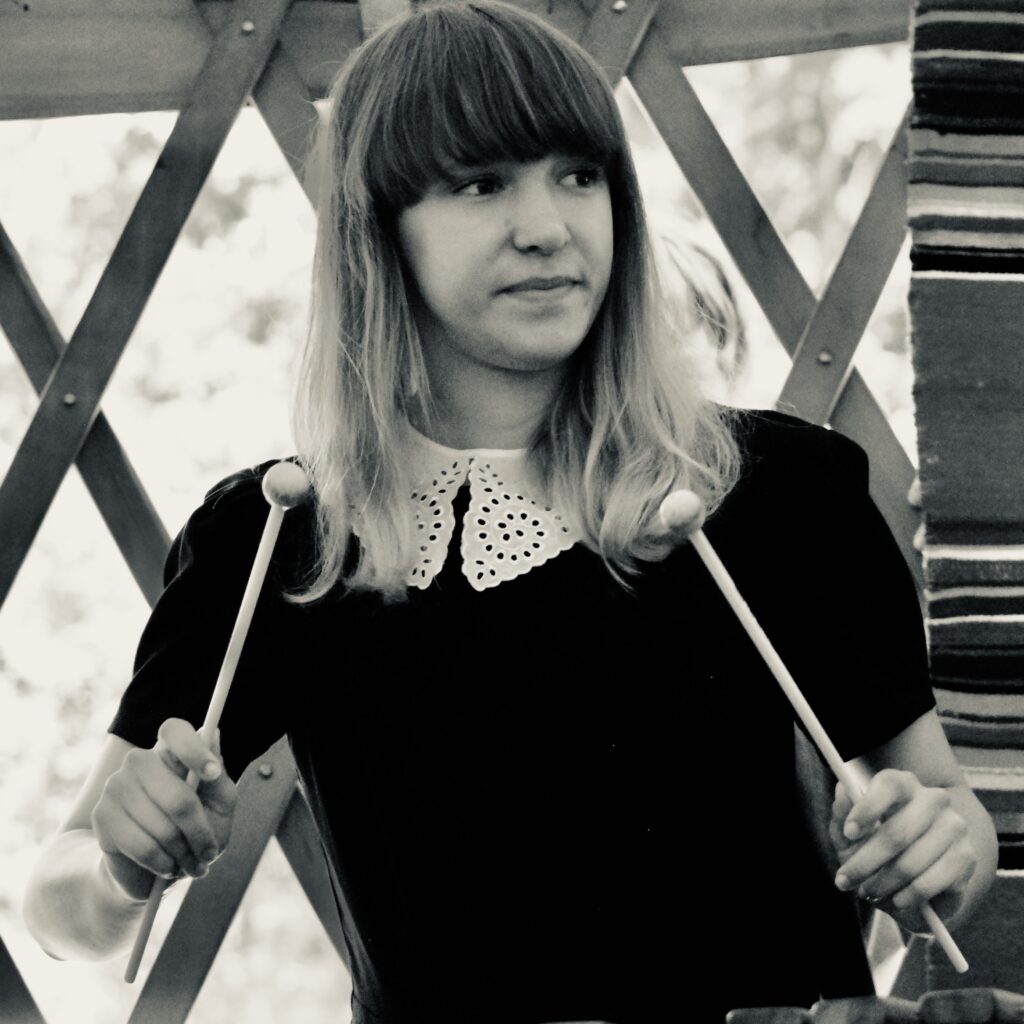
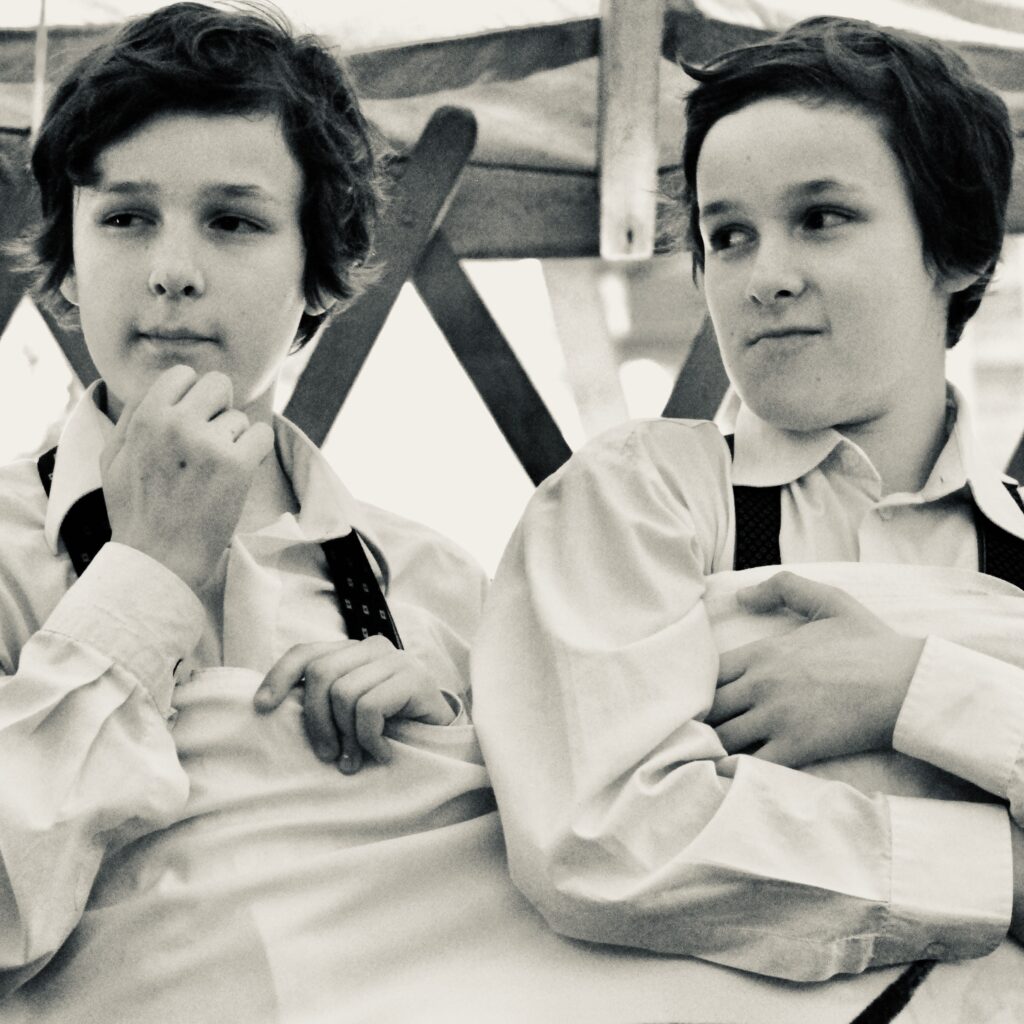
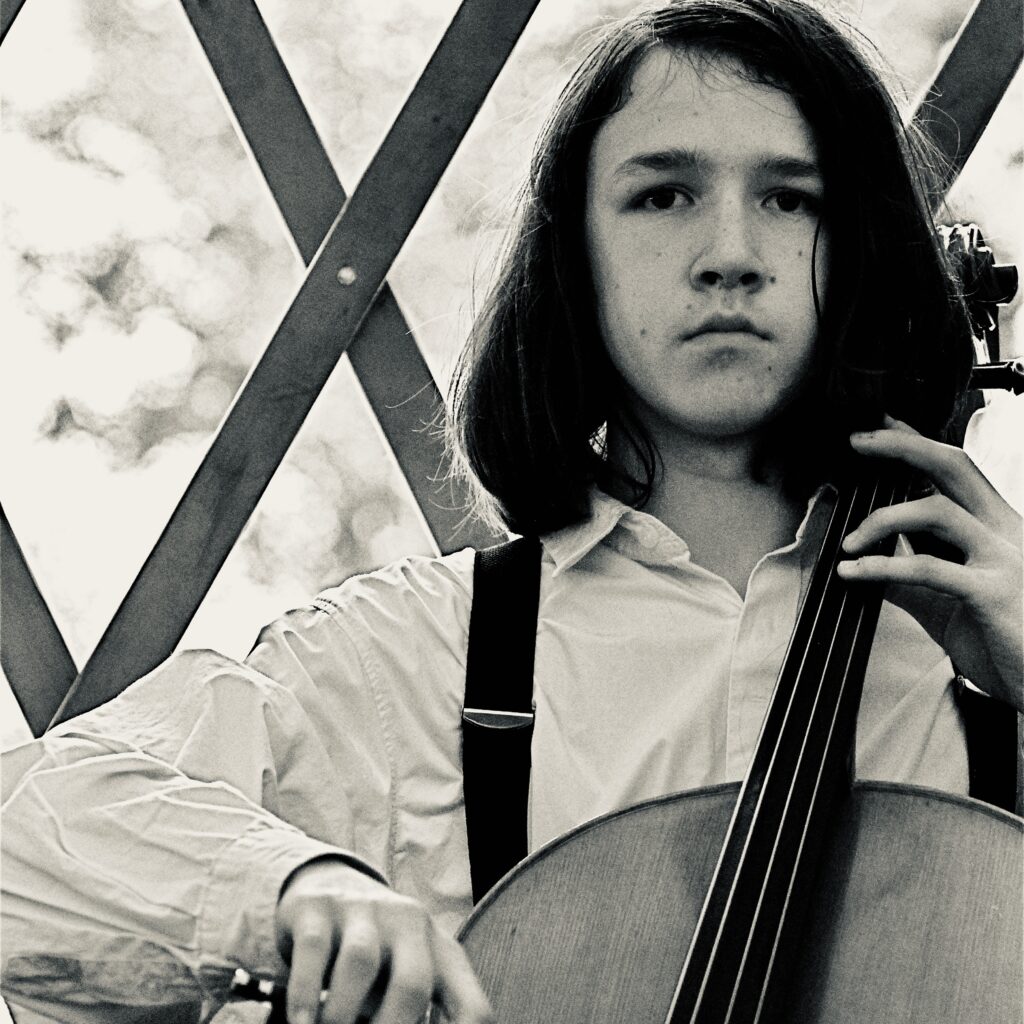
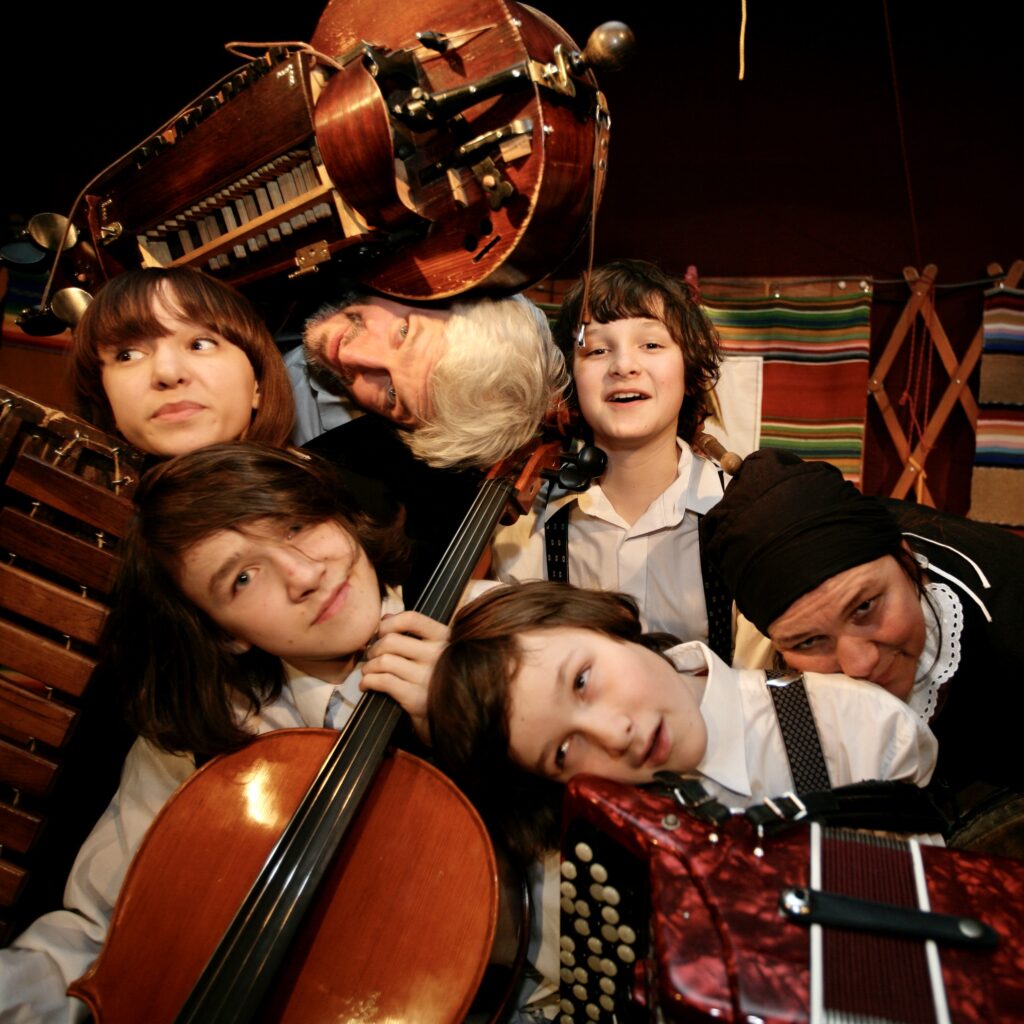
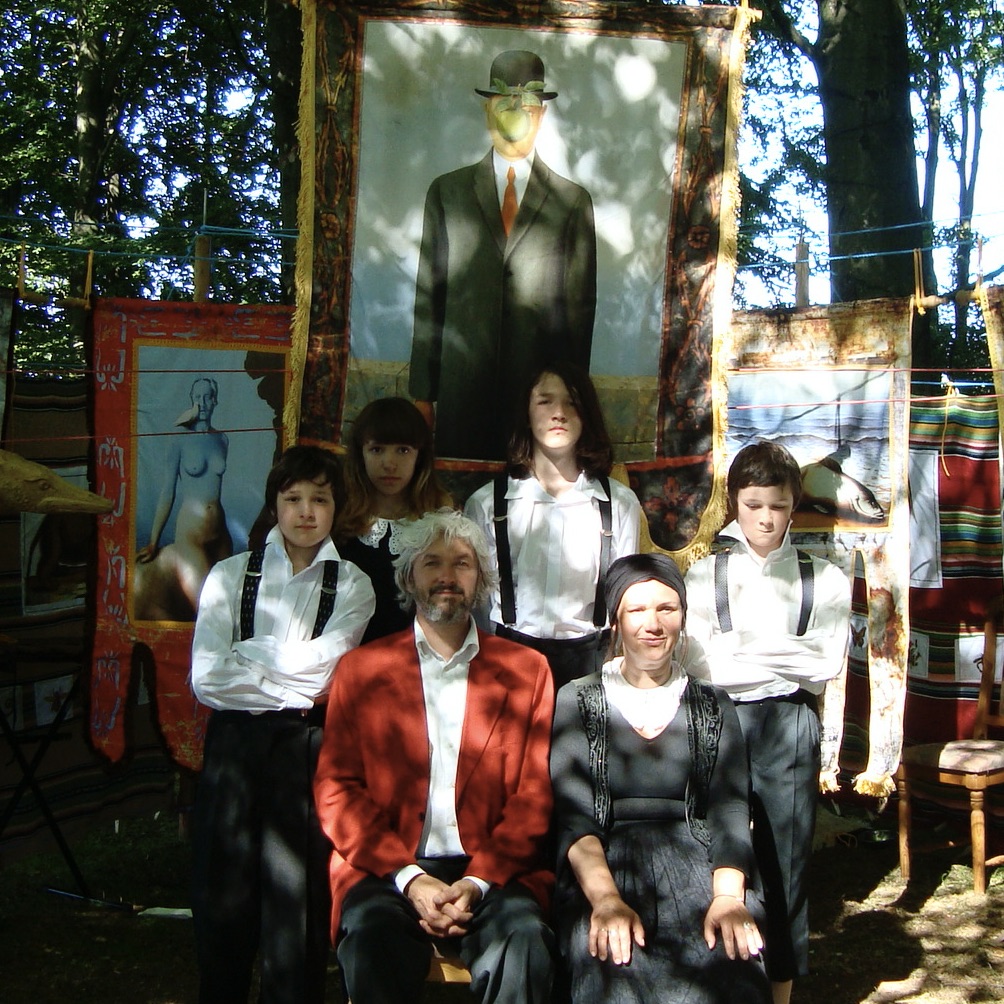
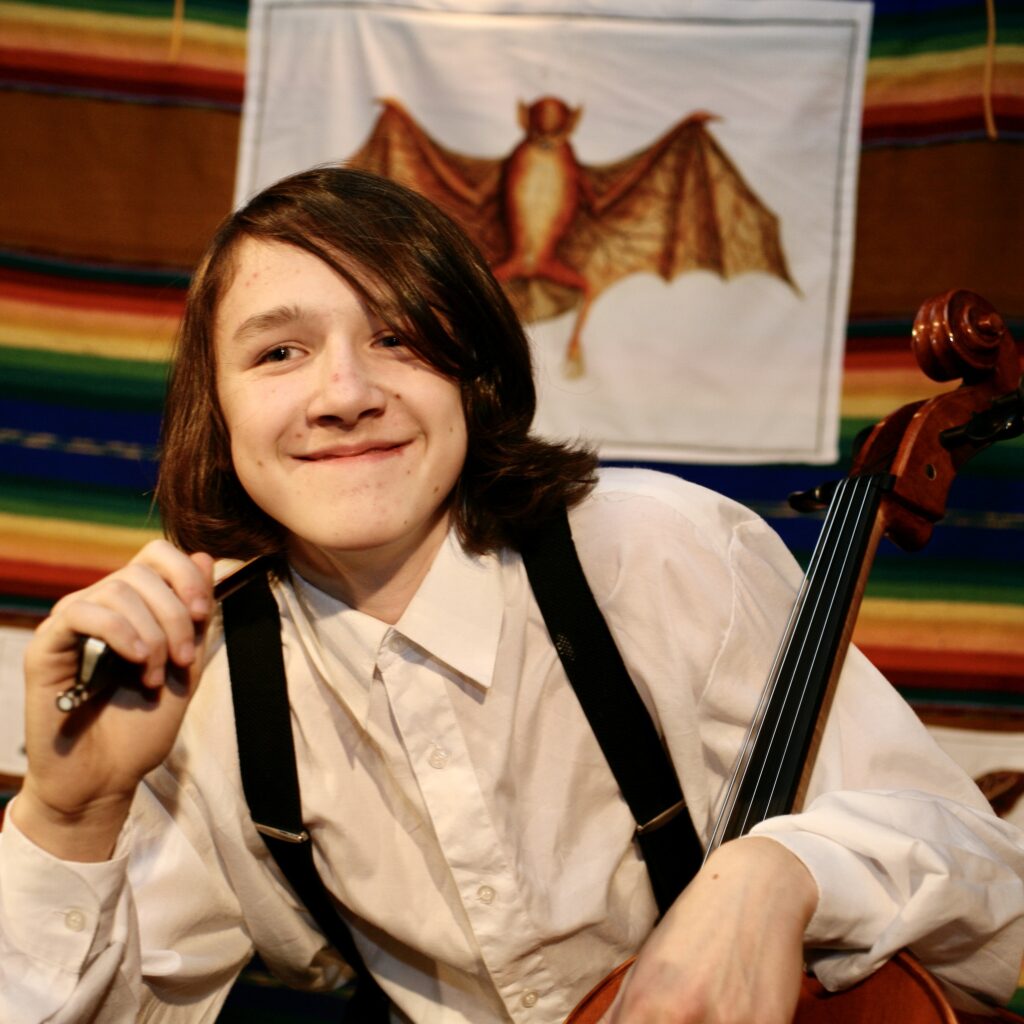
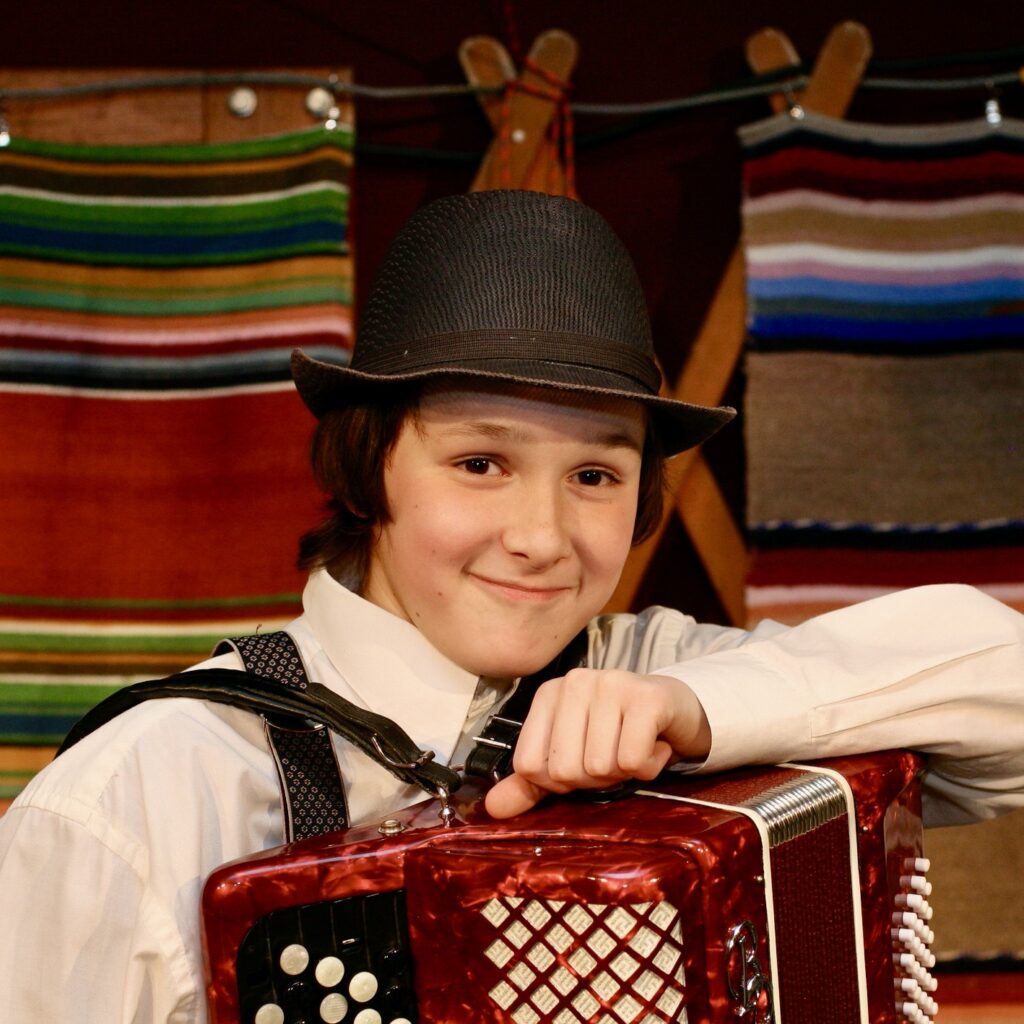
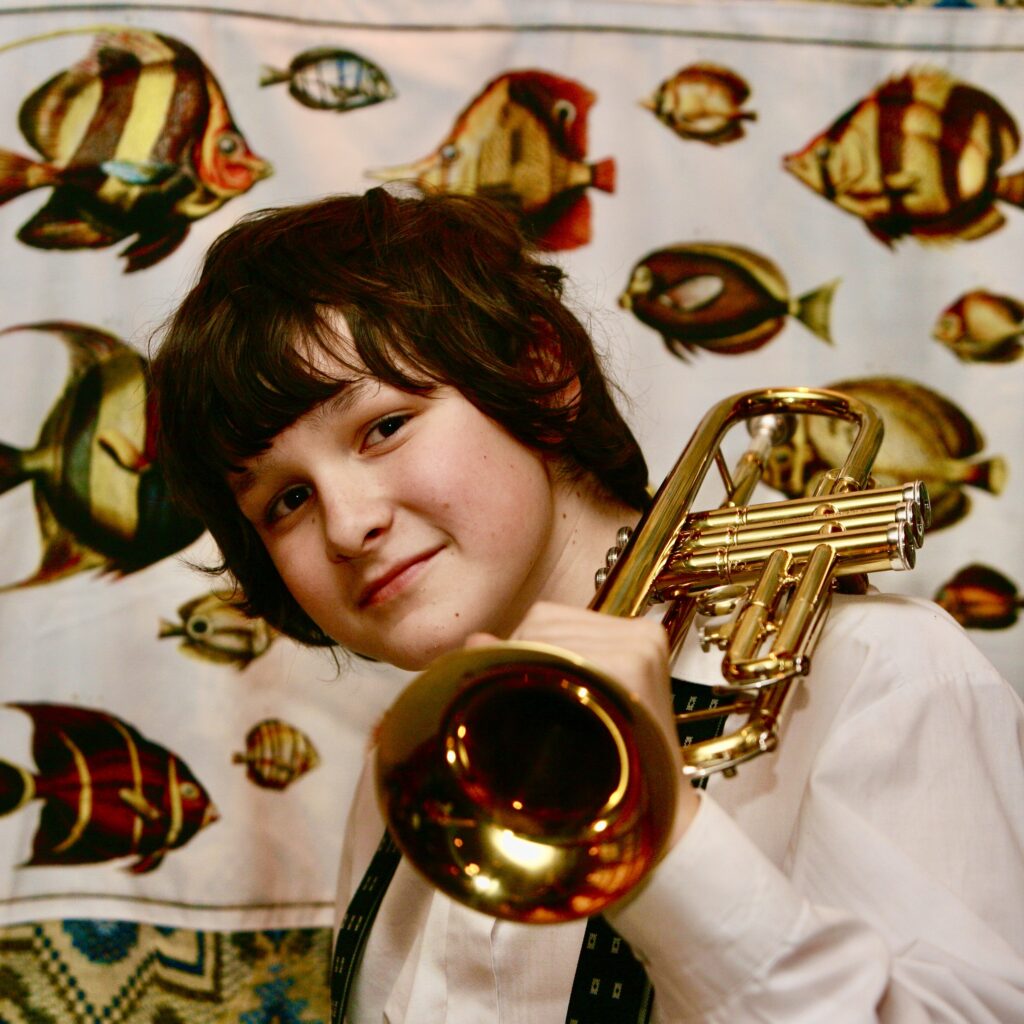
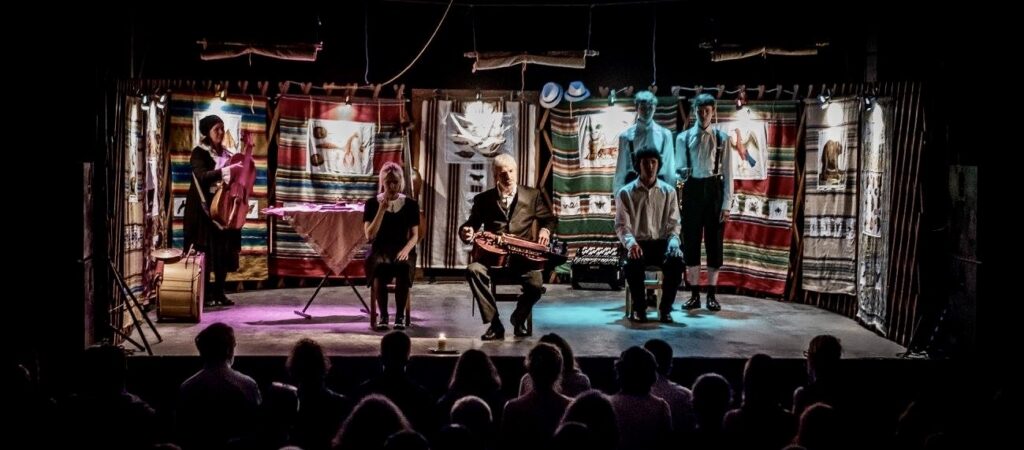
Actors/Musicians: Jacek Hałas (vocals, hurdy-gurdy, accordion, Jew’s harp, kaval), Alicja Choromańska Hałas (gardon, folk percussion), Julia Hałas (xylophone), Antoni Hałas (cello), Jakub Hałas (accordion), Jonasz Hałas (trumpet).
Production: International Theatre Festival WERTEP / Cultural Association Pocztówka, Policzna
Co-production: Theatre Residence Centre SCENA ROBOCZA
national premiere /Yurt/: Wertep Theatre Festival, July 2012
international premiere /open-air/: Denmark, August 2012
Poznań premiere /stage/: Poznań, November 2012
In lyrical poetic images, we talk about the most important matters – love, death, wandering. Each scene is like a medieval mansion, full of old feretrons, folk kilims, magical paintings, music, and singing. The performance is based on beggars’ songs collected by Jacek Hałas and music written and arranged for a six-member family orchestra and the Hałas family in an acting guise.
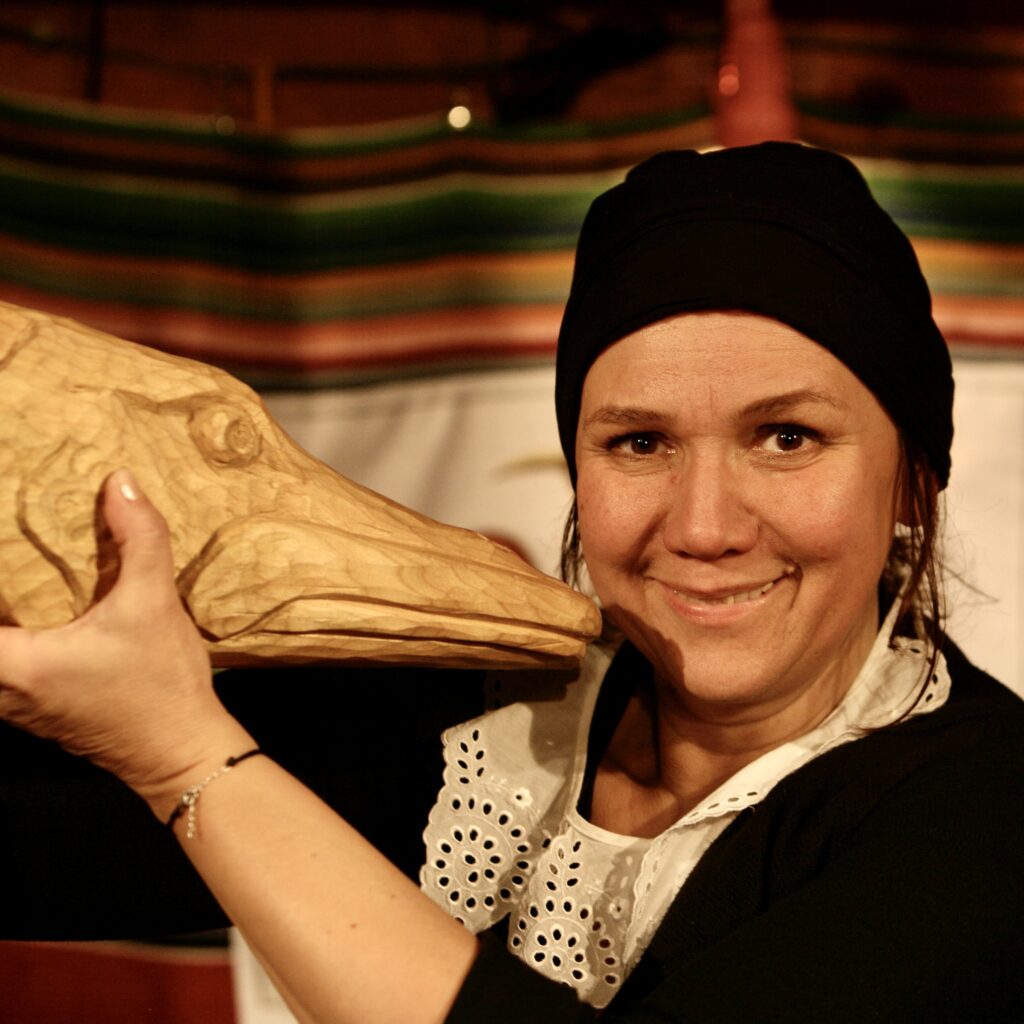
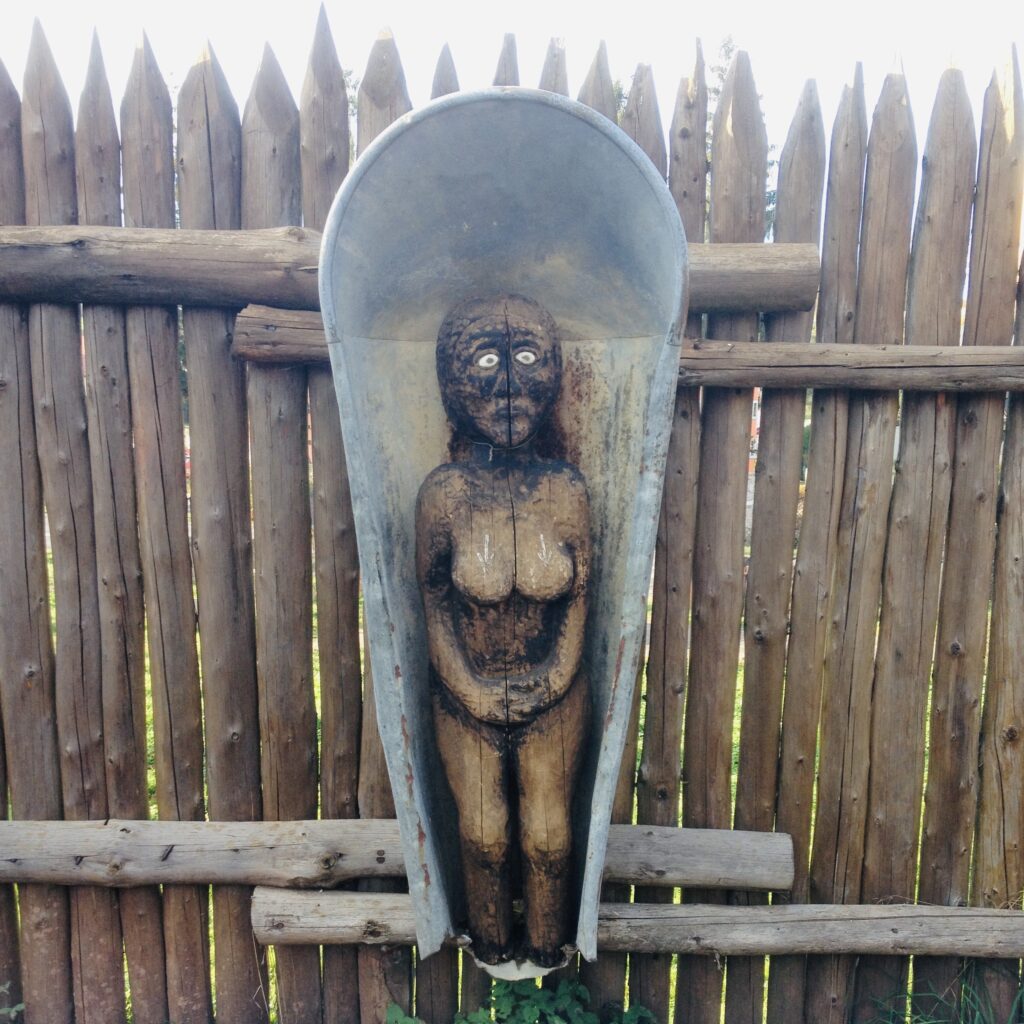
An integral part of the performance is the handmade scenography created from traditional fabrics mainly from Podlachia (kilims, feretrons, and wooden sculptures), juxtaposed with the paintings of the Belgian surrealist Rene Magritte and 17th-century graphics.
The play was created in Podlachia for the International Theatre Festival Wertep, and in the first version, it was played in a Yurt. After some time, we also prepared an outdoor version, and as part of an artistic residency at Scena Robocza in Poznań, a stage version. Since its premiere in 2012, it was successfully performed until 2022 all over Europe.