Camino de Santiago
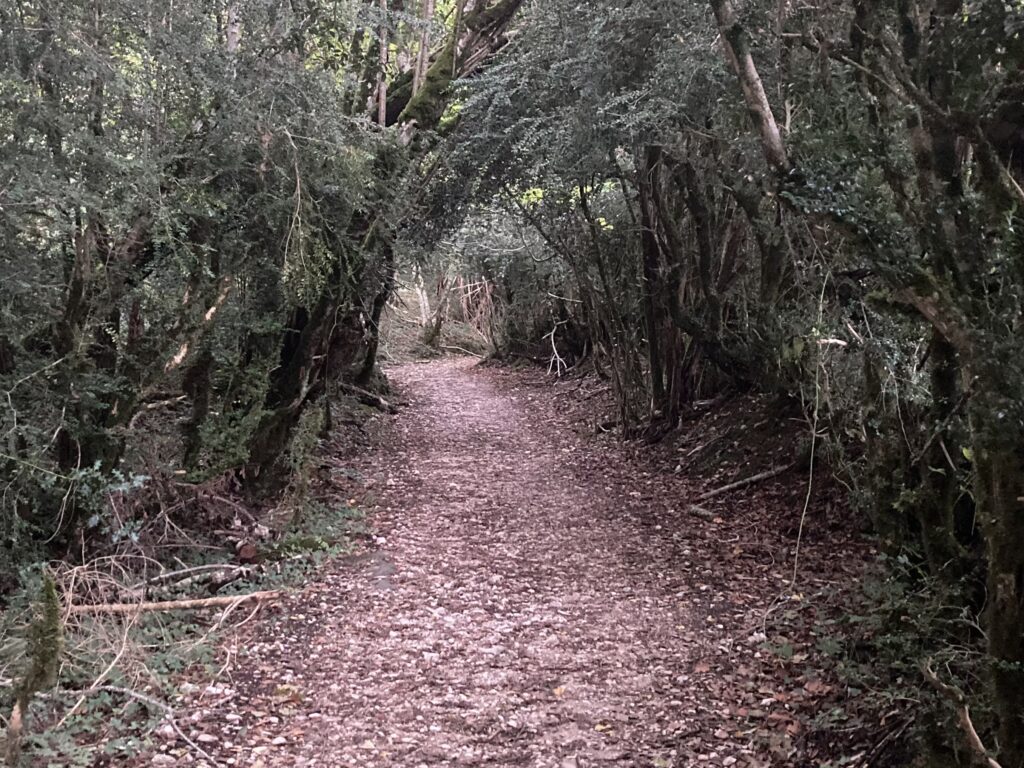
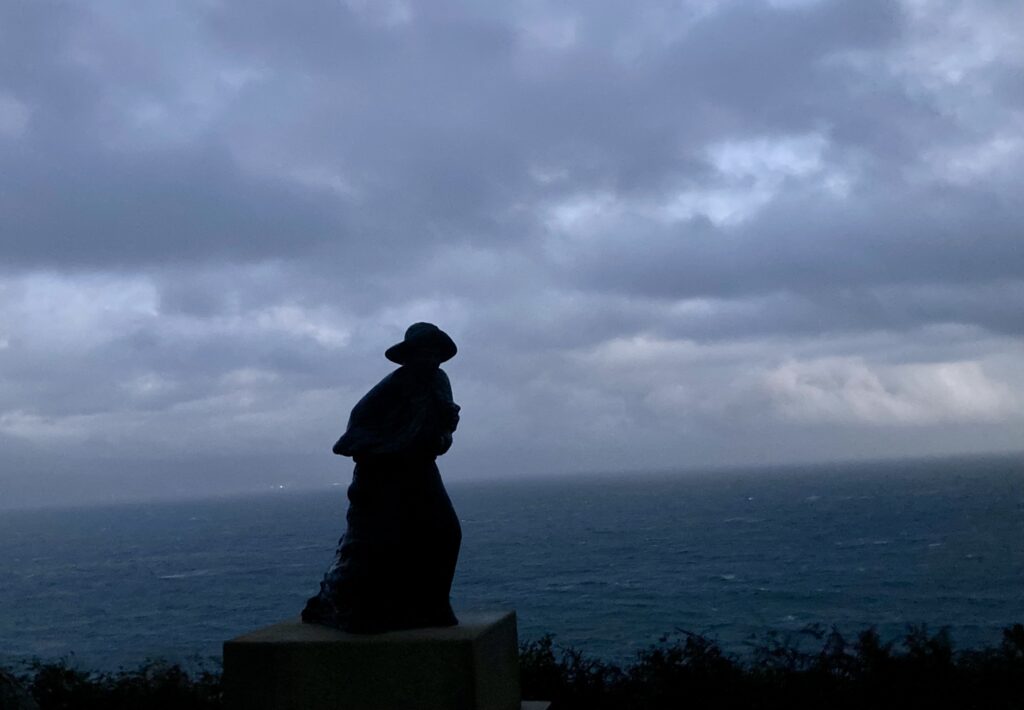
The Way of St. James, leading to Santiago de Compostela in northwestern Spain, traverses routes full of traces of the magnificent heritage of European nations. For over a thousand years, it has been undertaken by both pious pilgrims and people interested in culture, adventure, and meeting others. Everyone, regardless of faith and worldview, agrees in describing the Camino de Santiago as an extraordinary spiritual space.
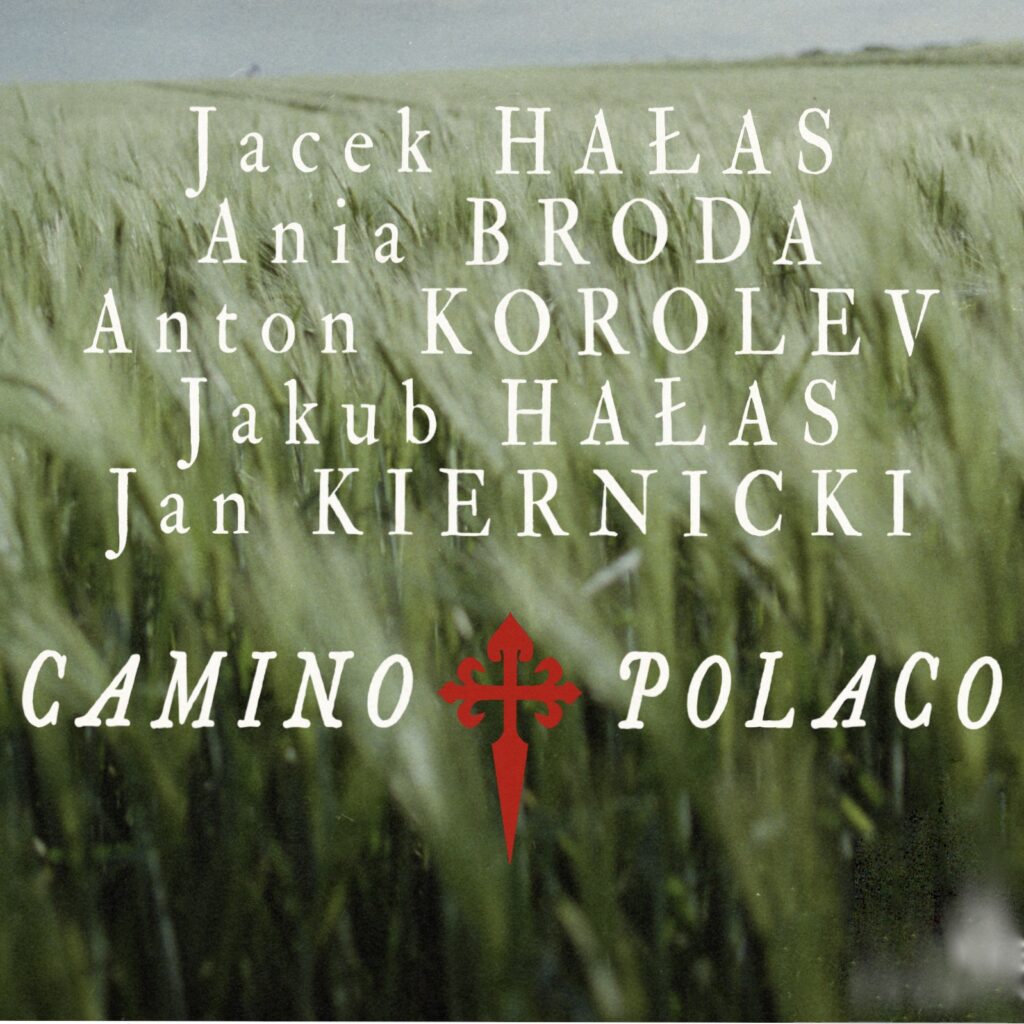
Camino Polaco (The Polish Way)
In the Middle Ages, every pilgrimage began from the threshold of one’s own home. To evoke this beautiful idea, I based the musical tale on three pillars: the little-known tradition of beggars’ songs, interesting historical instrumentation, and a group of excellent performers living in the proverbial “home”, i.e., Poland. In the musical and textual layer, the starting point are Polish-language songs taken from the rich tradition of pilgrims, wandering singers – the Beggars (Dziady), originating from the regions through which the Polish sections of the Way of St. James (Camino Polaco) run. They served as inspiration to create musical variations that lead the listener through successive stages of an imaginary journey from Wielkopolska to Santiago de Compostela, leading through the Czech Republic, Germany, Switzerland, France, and Spain.
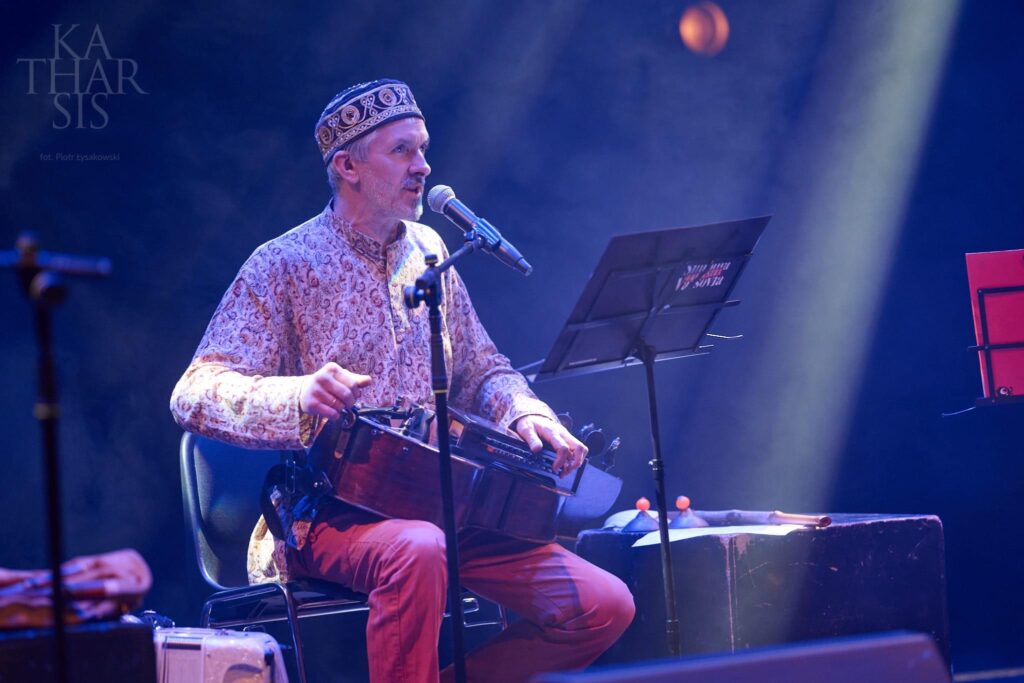
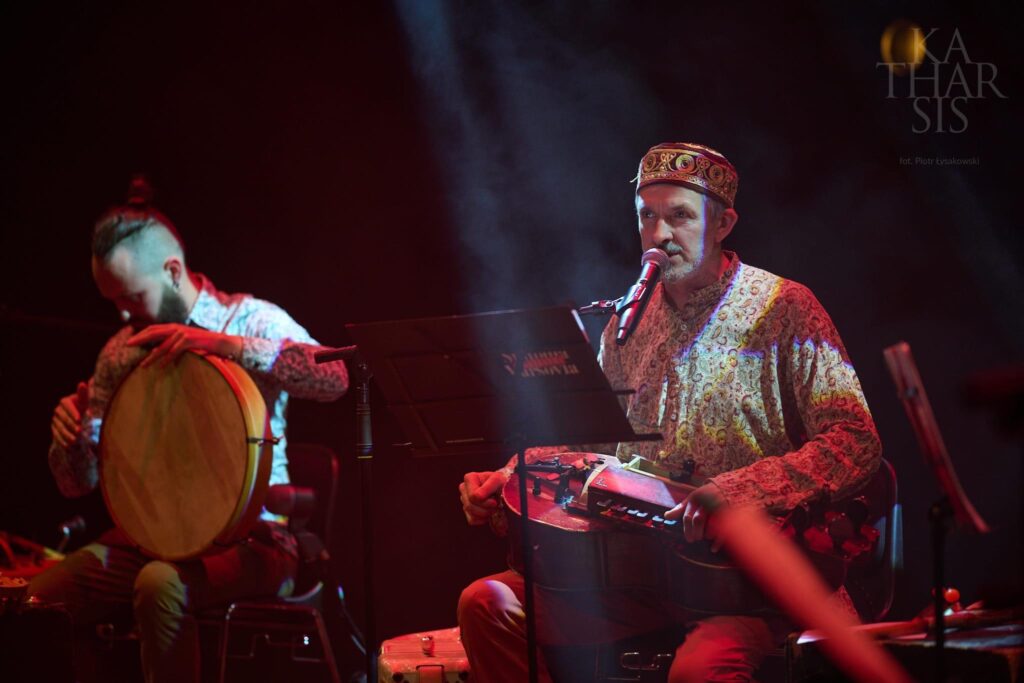
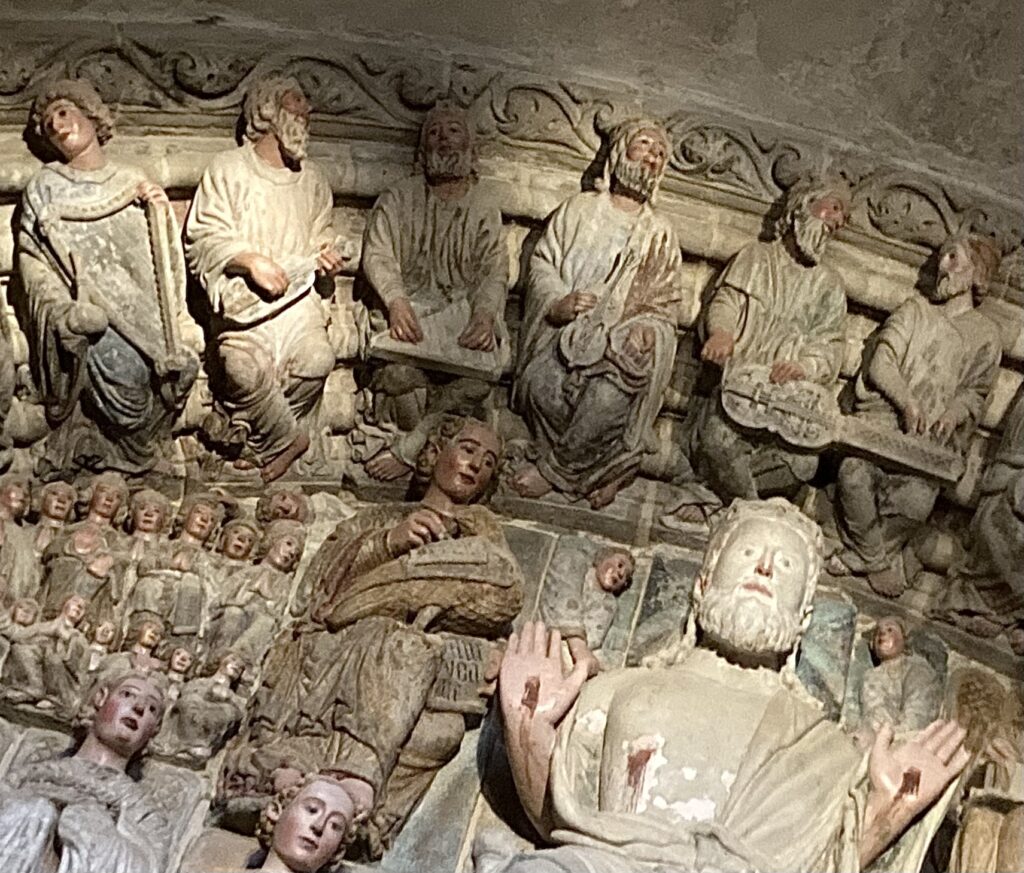
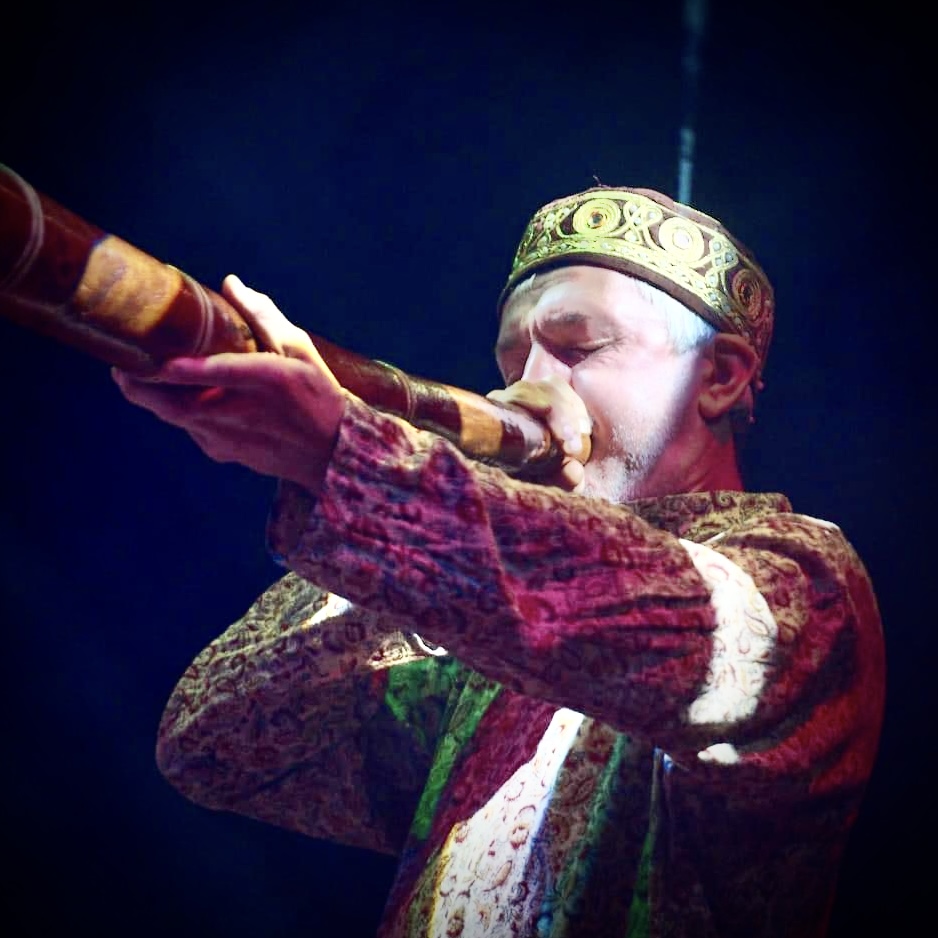
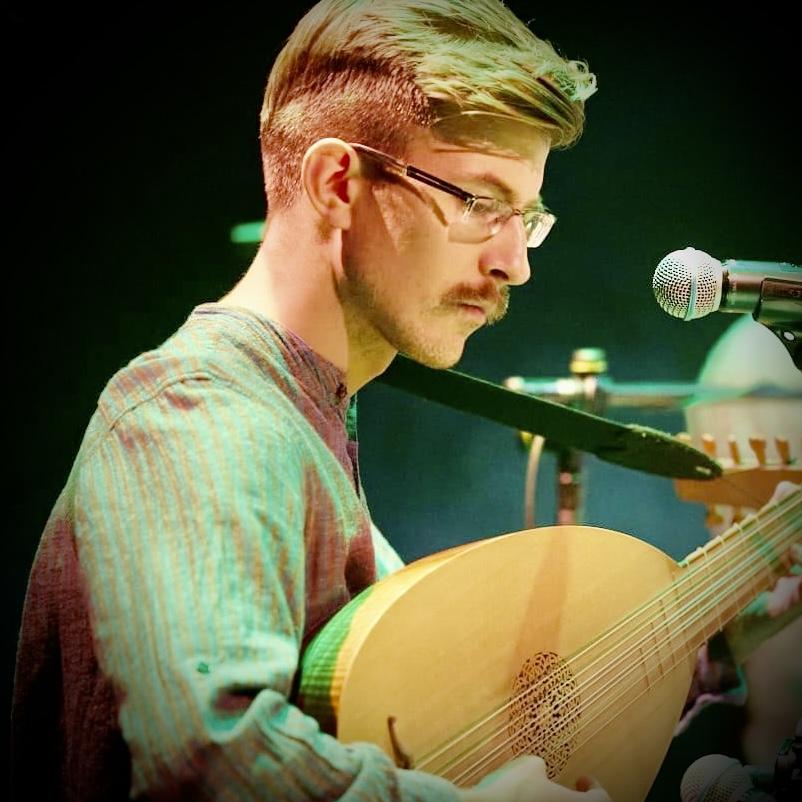
Thinking about the instrumentation and sounds that could transport the listener to the Way of St. James, the first to appear is, of course, the Hurdy-gurdy. This medieval instrument, being the basic musical tool of wandering singers (Beggars) on the eastern borderlands, accompanied pilgrims and wanderers until the beginning of the 20th century. The first historical mentions from the 10th century are associated with the Iberian Peninsula, and the oldest depiction of a hurdy-gurdy is found precisely on the Portico of Glory of the Cathedral of St. James in Santiago de Compostela. Another instrument important in the context of songs and wandering along the Camino de Santiago is the Lute, which built the musical landscape in Western Europe for centuries. To mark subsequent stages on the musical map of the journey, we also want to evoke the characteristic sounds of such instruments as the Spanish Gaita, the Persian-origin Cymbalom (Hammered Dulcimer), or the “youngest” sound provided by the Accordion.
Band lineup:
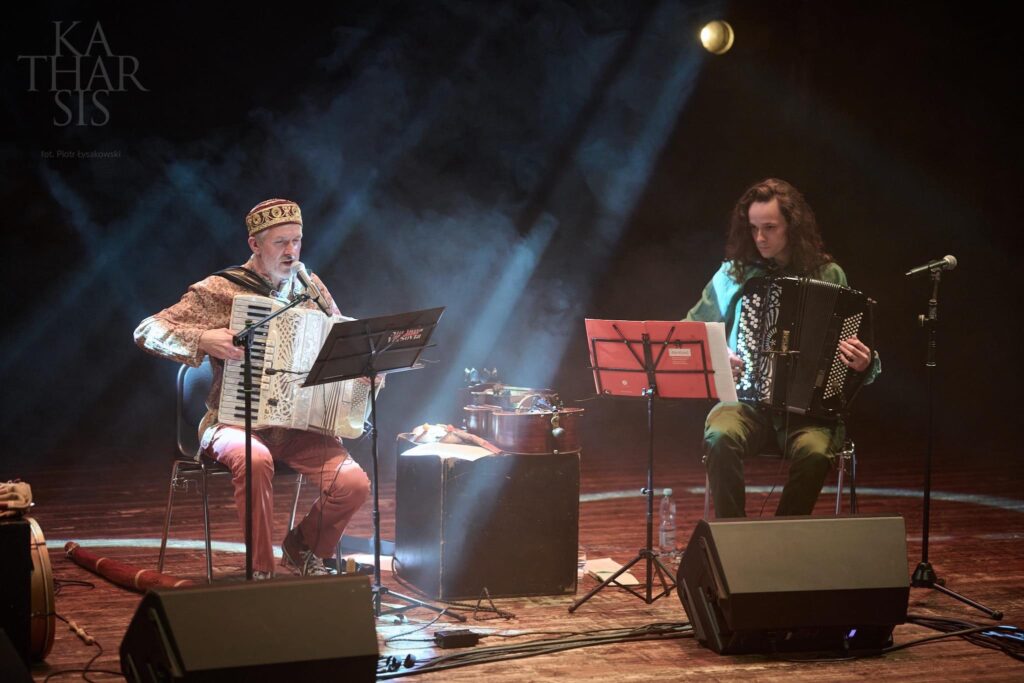
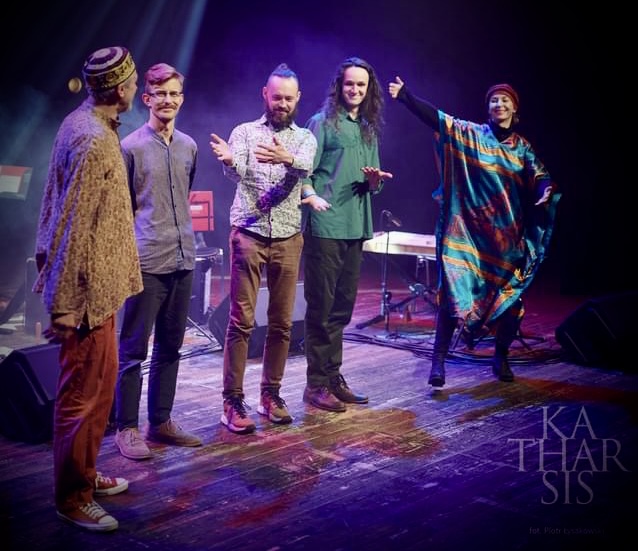
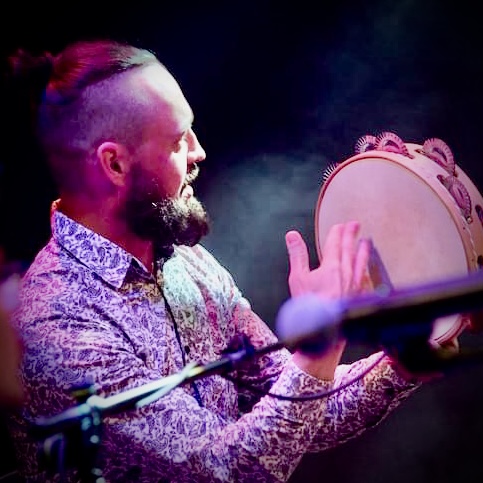
Jacek Hałas – concert concept and direction, vocals, hurdy-gurdy, accordion, St. James shells
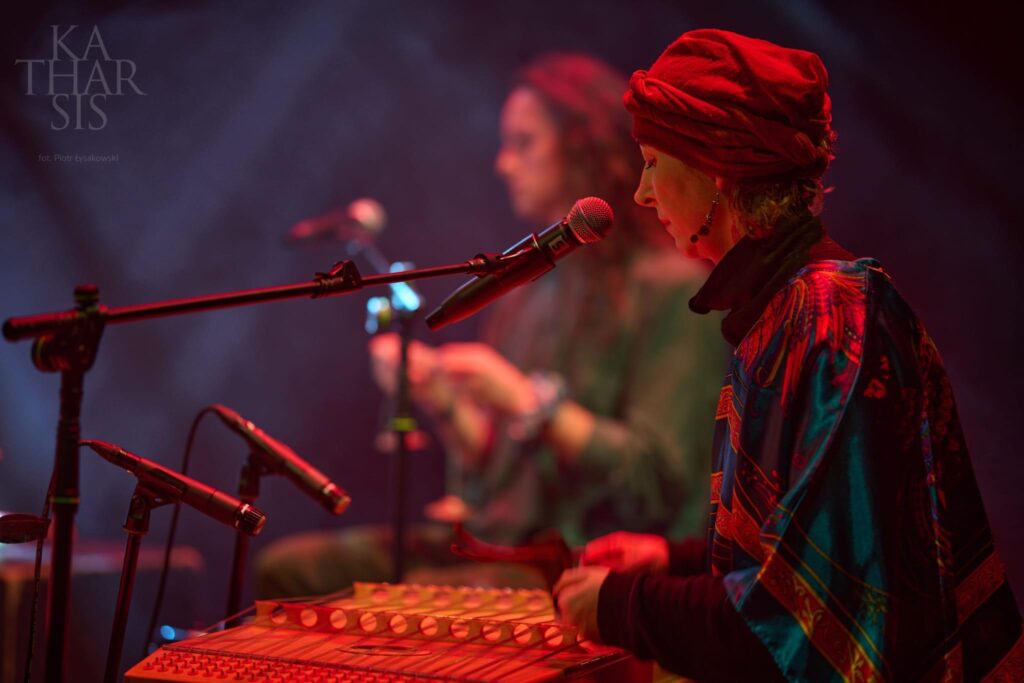
Ania Broda – cymbalom and vocals
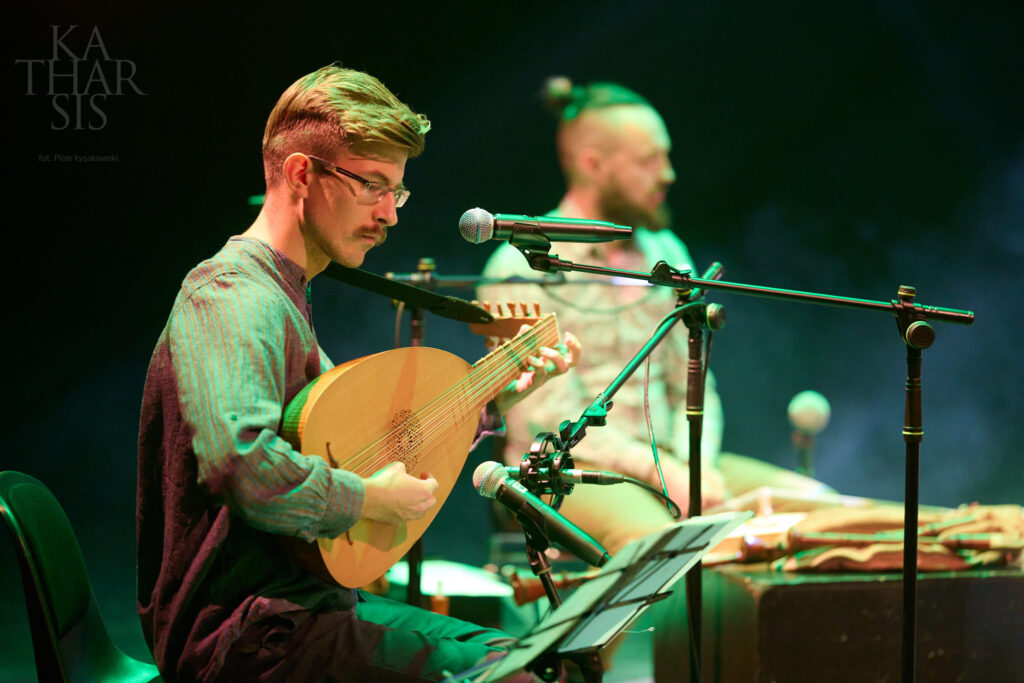
Jan Kiernicki – lute
Anton Korolev – gaita
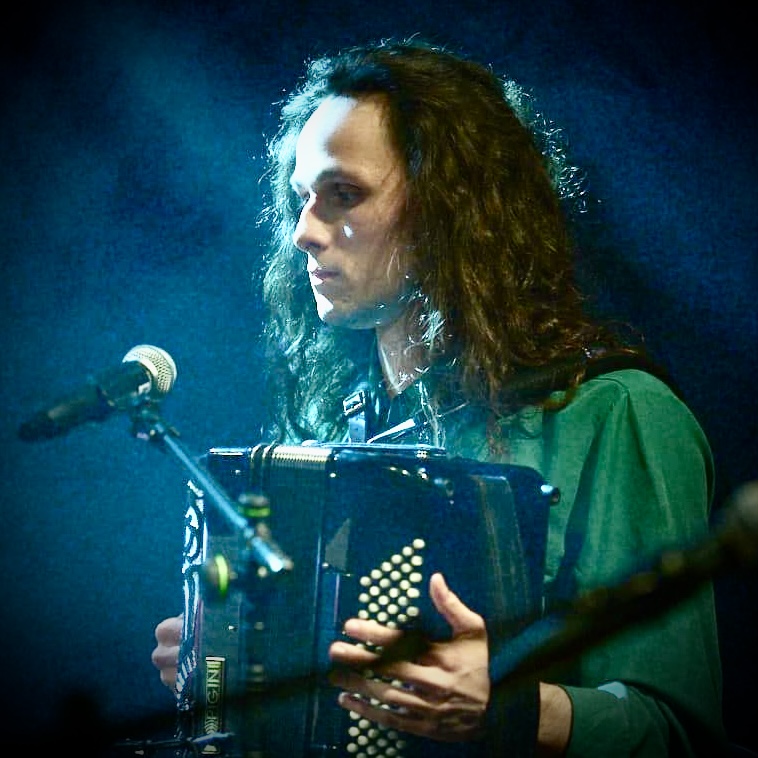
Jakub Hałas – accordion

Camino Polaco – journey map
Concert program along with topography and sources of inspiration
PROLOGUE / On the threshold of home
(inspirations – the walking dance (chodzony) “service before the capping” in Biskupizna, i.e., the last dance of the bride with the best man before the capping ceremony, danced by groomsmen with whips and bridesmaids in a very characteristic way. Various forms of the “Chodzony” constitute the prototype of the Polonaise – the Polish national dance. With the Chodzony, the newlyweds were ushered into the house after the wedding, moving in pairs in a solemn procession along the circumference of a circle behind the leading couple. In many subregions of Wielkopolska, guests were also solemnly bid farewell leaving the wedding house to the rhythm of the Chodzony.
1. Service / full band / Instrumental composition (Jacek Hałas) based on the melody of the Wielkopolska walking dance “Service before the capping” from Domachowo
2. Ania Broda – cymbalom solo instrumental impression
SOURCE / Lower Silesian Way of St. James / direction – Czech Republic
(inspirations – Sanctuary in Jakubów / Polkowice county). According to (not fully confirmed) accounts, a wooden temple already existed in these areas during the reign of Mieszko I in the year 991. Near the village of Jakubów, there is a Miraculous Spring known since the 12th century, a place visited by pilgrims. It bears the name of St. James, from whose name the name of the locality was adopted.
3. Ania Broda – tale / folk legend from Wielkopolska “The Viper” (Żmij) accompanied by cymbalom + Jacek Hałas vocal parts
4. The Source / Jacek Hałas – vocals, hurdy-gurdy – beggars’ song, apocryphal “About the journey of the Mother of God with Baby Jesus, about the robber and the spring” (own collection)
Apocryphal sources containing various versions of the legend – Arabic Infancy Gospel, Gospel of Pseudo-Matthew, Golden Legend. The “Golden Legend” was created in the second half of the 13th century, and its author is Jacobus de Voragine, an Italian Dominican, and later Archbishop of Genoa. At the end of the Middle Ages, this work enjoyed immense popularity. More than a thousand of its richly illuminated and decorated manuscripts have survived to this day.
ORGAN / Wielkopolska Way of St. James / direction – Germany
(inspirations – Sanctuary in Głuszyna). Among the most valuable monuments of the church of St. James the Greater Apostle is the pipe organ built by Friedrich Ladegast from Weissenfels. This instrument represents high value as a monument of 19th-century musical culture.
Bambrzy – Oskar Kolberg wrote about the Bambrzy (immigrants from Bavaria): “Bambrzy […] arrived here brought as settlers in various eras, partly after the devastation of the country by the Swedes (1656) and the pestilential air raging in the year 1710, and mainly (as whole families) around the year 1740-90. They brought with them the custom and language of southern Germany”. This folk inhabits the villages of Winiary, Wilda, Dębiec, Rataje, Zegrze; a folk mostly German, in a smaller part (e.g., in Żegrze) Polish or half-Polish, well known in Poznań, for supplying this city with necessary victuals on market day.
5. Jan Kiernicki – lute solo “La Spagna” (Thibault Manuscript, c. 1500)
6. Jop (Job) in “organ” version for two accordions and vocals (Jacek and Jakub Hałas)
Records from the notebooks of funeral singers and O. Kolberg /beggars’ song, Grand Duchy of Poznań IV, Vol. 12, song no. 615/ . The oldest preserved versions of songs about St. Job come from the 16th and 17th centuries, however, researchers agree that both the manuscript from the University Library in Lviv and the text from the “Ancient Lenten Songs” published around 1607 are later transmissions of a medieval work. We also find the song in other records, among others in Stanisław Serafin Jagodyński’s hymnal “Newly Reformed Catholic Songs” published for the first time in 1638. At the latest in the 17th century, the piece became an element of folk culture through oral transmission. It functions to this day in the repertoire of funeral singers during the so-called Empty Nights (funeral songs of relatives and friends of the deceased gathered at the vigil by the body).
MOUNTAINS / Beskid Way of St. James / direction – Austria, Switzerland
(inspirations – Sanctuary in Szczyrk, the route from Litmanová in Slovakia to Olomouc in the Czech Republic). Luther’s teachings (1517) were well received in the Polish-Lithuanian Commonwealth and among its immediate neighbors. They gained particular recognition in the lands of Ducal Prussia, Cieszyn Silesia, Lesser Poland, and Wielkopolska. In Cieszyn Silesia, Lutheranism was introduced by Wenceslaus III Adam, ruling the Duchy of Cieszyn at that time, who popularized this confession so much that Lutheranism became the dominant confession in the Duchy. Also, Duke Frederick II, belonging to the Silesian branch of the Piast dynasty, introduced Lutheranism on his lands.
The prayer “Oh, now the day has bowed down” comes from recordings: “Songs from the Hymnal. Religious songs of Lutherans from Cieszyn Silesia” CD2 no. 10
7. Jakub Hałas + Anton Korolev / Ländler Suite instrumental melodies from the Appenzell region for fiddle and accordion
8. „Oh, now the day has bowed down” / Ania Broda vocals/ + cymbalom, alphorn, chalices
BELL / Masovian Way of St. James /direction – France
(inspirations – Parish Church in Piotrków Trybunalski) / „The Bell of St. James can be counted among the larger bells in our country; it can be heard only on more significant ceremonies, while daily, after ringing for the evening Angelus, they strike it with the clapper nine times with certain pauses after each strike…”
9. Jakub Hałas solo – French waltz
10. Bourrée Marrakech (based on a composition by Daniel Vacheresse)- Jakub Hałas accordion, Jan Kiernicki lute, Anton Korolev hurdy-gurdy
11. „Polish Crown” (beggars’ song, O. Kolberg, Mazowsze II) 9 verses – 9 bells, Jacek Hałas vocals, bell / Ania Broda vocals, cymbalom, Anton Korolev – shawm, Jakub Hałas – accordion, Jan Kiernicki – lute /
TEMPLE / via Regia / direction – Spain
(inspirations – Sanctuary of St. James the Apostle in Małujowice) . The church has one of the richest cycles of Gothic wall paintings in Poland. It creates a biblical cycle, conceived as a Biblia pauperum. Extremely interesting is the richly carved portal with a tympanum depicting the coronation of the Mother of God, the Visitation of St. Elizabeth, and the Adoration of the Magi. The tympanum is framed by a cycle of sculptures of Wise and Foolish Virgins as well as carved rosettes and floral elements.
12. Bourrée 2 temps “Aurore Sand” – Anton Korolev – fiddle, Jan Kiernicki – gittern, Jacek Hałas – hurdy-gurdy
13. Anton Korolev solo – gaita folk melody “Aires de Ponteverda”
14. “Song about St. James the Apostle” Ania Broda – vocals / + Gentlemen / text from Pelplin hymnal no. 624/
Song authored by a priest, Piotr Rossgroch to a folk melody from Ania Broda’s grandmother (print 1676, Poznań, publishing house titled: “Lights and night fires seen at various times in the church and around the church of St. James the Apostle in Piaskowo near Ostroróg, benefits as well as God’s graces received, about a sickle also grown to the hand, which fell off at this place during holy mass, testimonies sworn at commissions – permitted to be glorified for the greater glory of Christ’s apostle St. James”)
15. Finale – „About Wise and Foolish Virgins” Jacek Hałas – vocals, St. James shells / Anton Korolev – shawm, vocals / Jan Kiernicki – lute, vocals/ Ania Broda – cymbalom, vocals, Jakub Hałas – accordion, vocals / melody after Faustino Santalices „Alalá”, text acc. to “Hymnal or Songbook for Evangelical Christians” / Cieszyn 1865 /
EPILOGUE / Fisterra / at the end of the world
(inspirations – traditional dance from Spanish Galicia in 6/8 rhythm. The word „muiñeira” means both a millstone and a miller woman (if she runs the mill), or a miller’s wife.
16. Muiñeira / Galicia / Anton Korolev – fiddle / gaita, Jan Kiernicki – lute, Jakub Hałas – accordion, Jacek Hałas / St. James shells / pandereta, Ania Broda – cymbalom