2019 – 2020
This is a performance about beauty. Beauty that surrounds us and influences us even though we rarely notice it and rarely listen to it. About beauty that – regardless of human deeds – keeps this world in check.
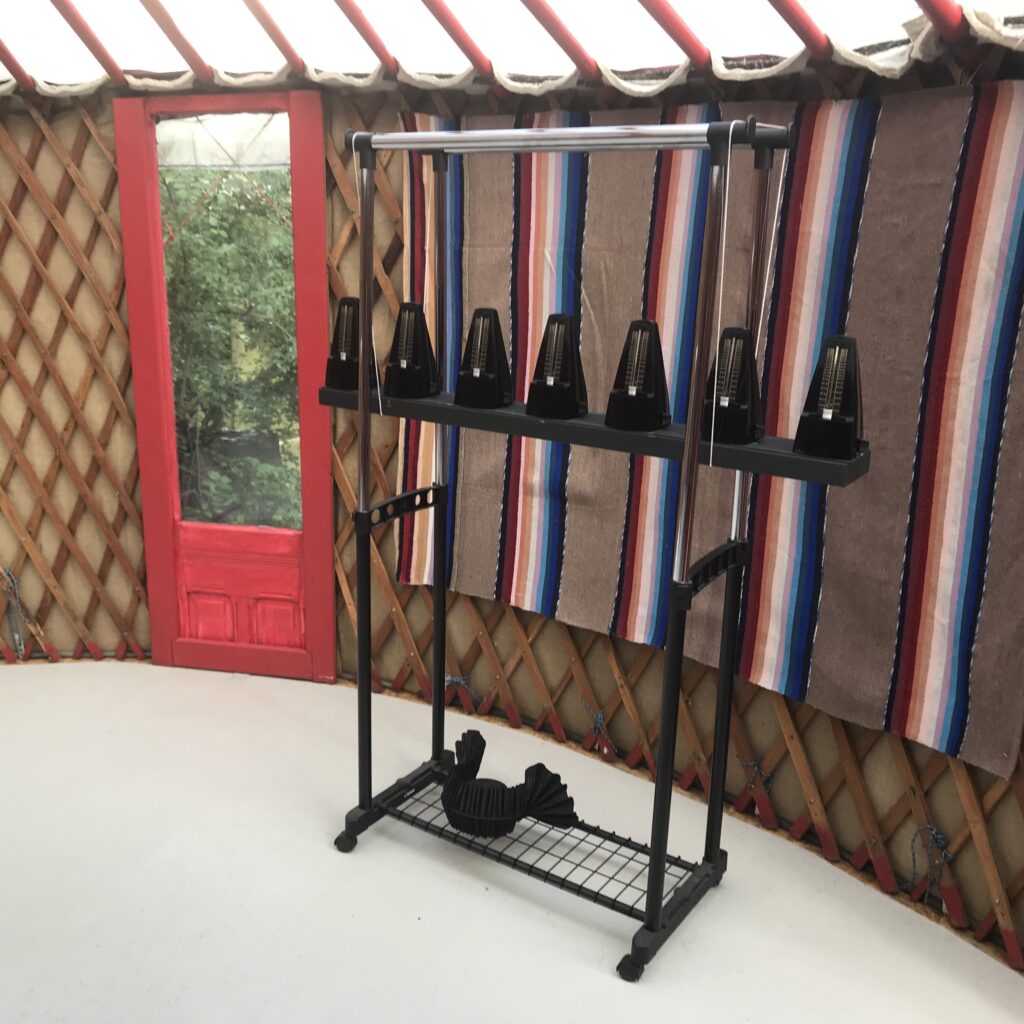
The Pythagoreans claimed that everything was created from chaos through sound and harmony, according to the principles of musical proportions. The seven planets in constant motion produce these sounds of perfect harmony, and the distances between them correspond to musical intervals. The concept of Harmonia Mundi does not refer directly to this world, which comes into being, falls apart, to be reborn again before our eyes; the world of temporary imperfections, tainted by evil, touched by lack, passing away with every moment, but to the world of ideas, to the constant measure and pattern of all immediate reality. This cosmic order is reflected in the human soul, which in turn translates into the harmony and order of human works, and especially music, which to some extent maps this inaudible cosmic harmony.
For years I have been practicing folk music, singing, and dance, and invariably the question accompanies me: what lies beneath the concept of Tradition? Does this collection of melodies, rhythms, behaviors, rituals, artifacts, and imaginings about folk culture that we have at our disposal today indicate that it was once a holistic vision of the world, fully describing and ordering it? Could Tradition not actually be considered the heir to that ancient idea of Harmonia Mundi, but in a ludic, popular, familiar form – Harmonia Vulgaris?
In our non-fictional story, we will lead you through successive circles of folk initiations, start the cosmic clock, and touch upon seven spheres of human existence. Music from the Wielkopolska region in an unstylized, organic form, set like a jewel in the “craftsman” scenography of Piotr Rogaliński, will become a vehicle that will take you beyond the boundaries of region, time, and history.
Harmonia Vulgaris/ The World in Seven Musical Images
Prelude/Birth
Woman
Man
Profanum
Wedding
Sacrum
Death/Postlude
Direction: Jacek Hałas
Performers: Jadwiga Tomczyk and Julia Grzelaczyk, Witold Roy Zalewski, Krzysztof and Maria Polowczyk, Manugi (Michał Mocek, Patryk Szulc, Zbigniew Kasperski, Wojciech Wojciechowski), Basia Wilińska and Joanna Szaflik, Jonasz and Jakub Hałas, Julia Hałas, Jacek Hałas and Piotr Rogaliński.
Music: Jacek Hałas and folk tunes
Scenography: Piotr Rogaliński
Premiere: 13 Dec 2019 Poznań
Production: Theatre Residence Centre SCENA ROBOCZA
Partnership: Poznań Dance House
Special thanks to The Museum of Carpentry and Biskupizna Folklore in Krobia
Video: GUZIK OWCY Creative films
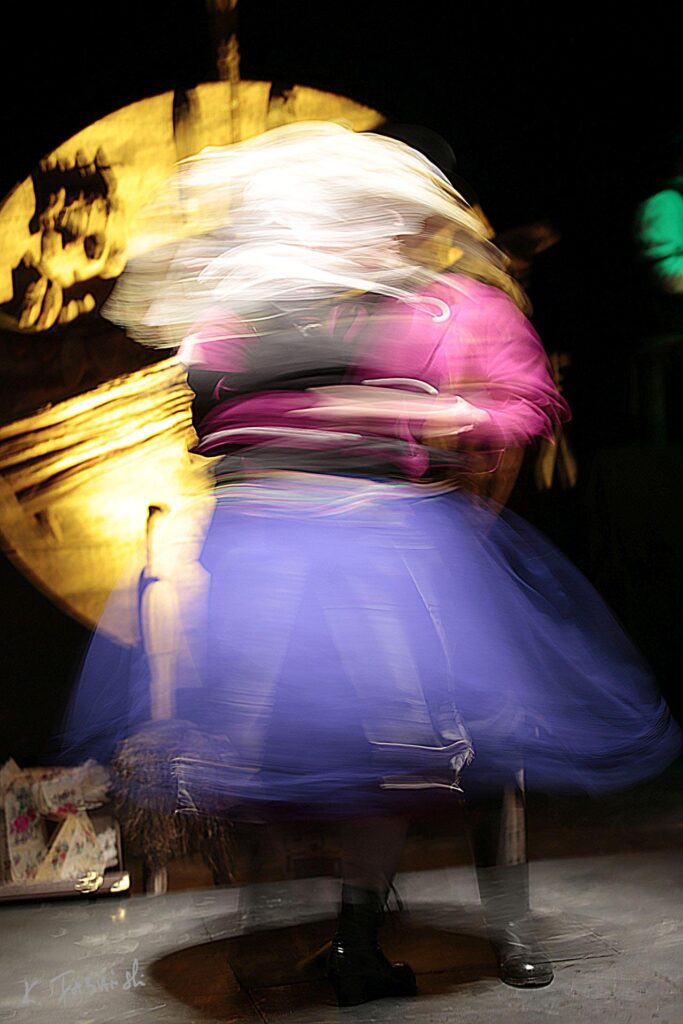
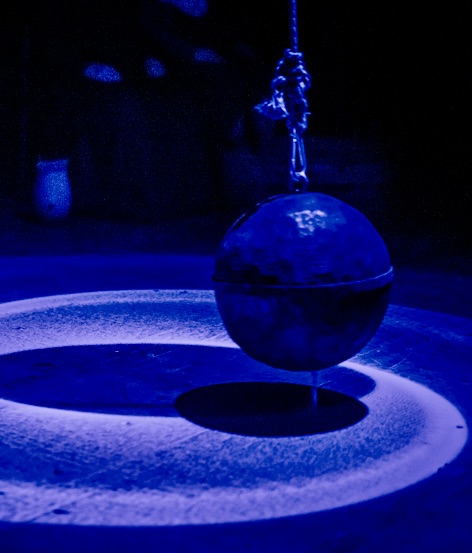
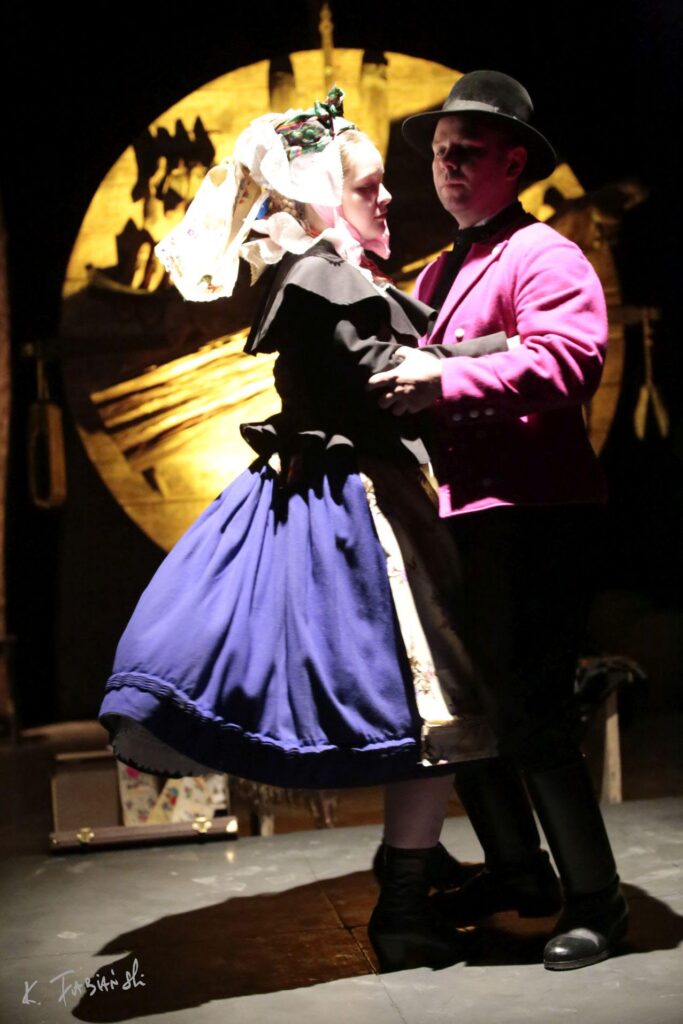
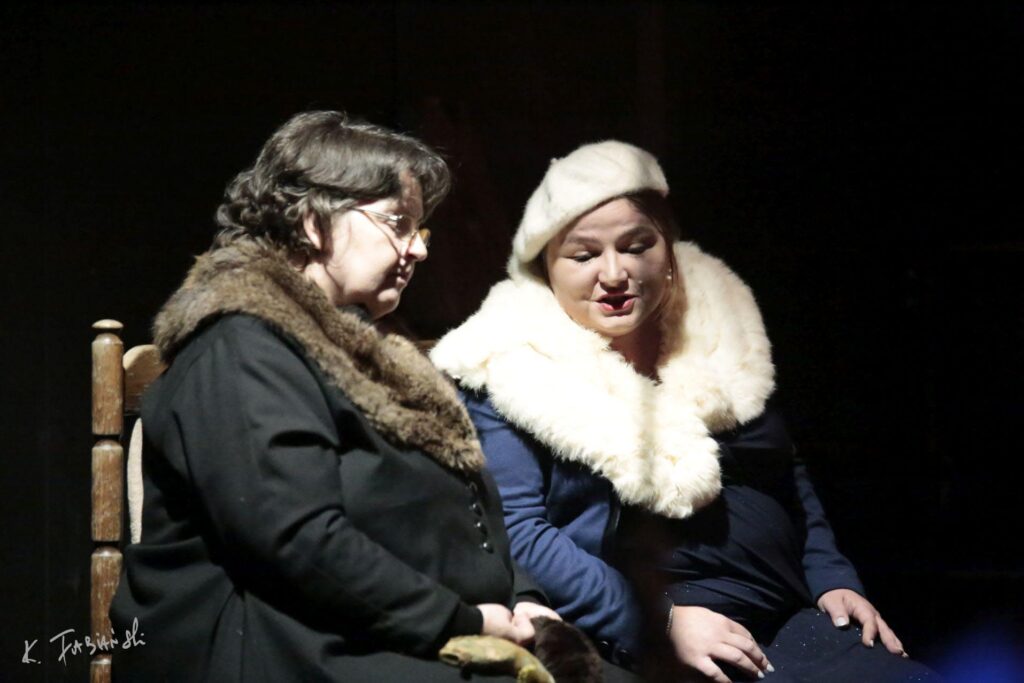
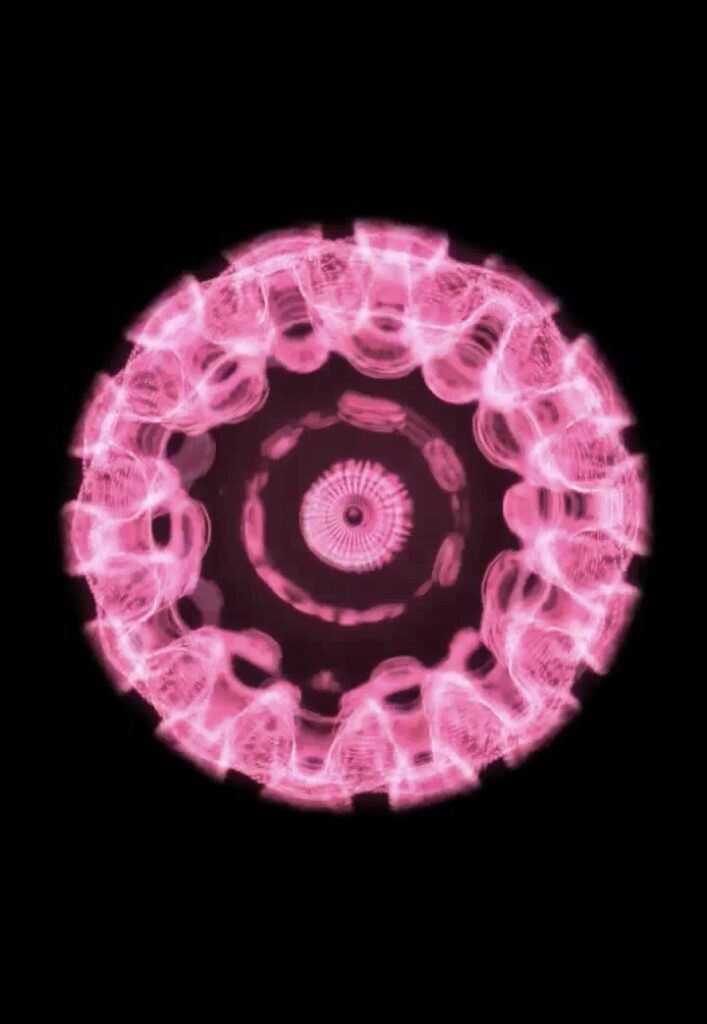
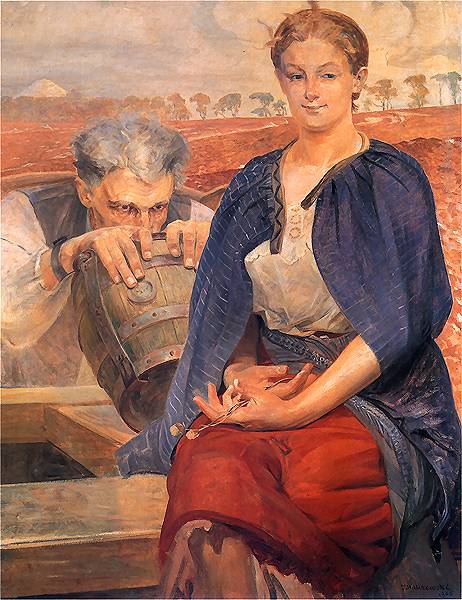
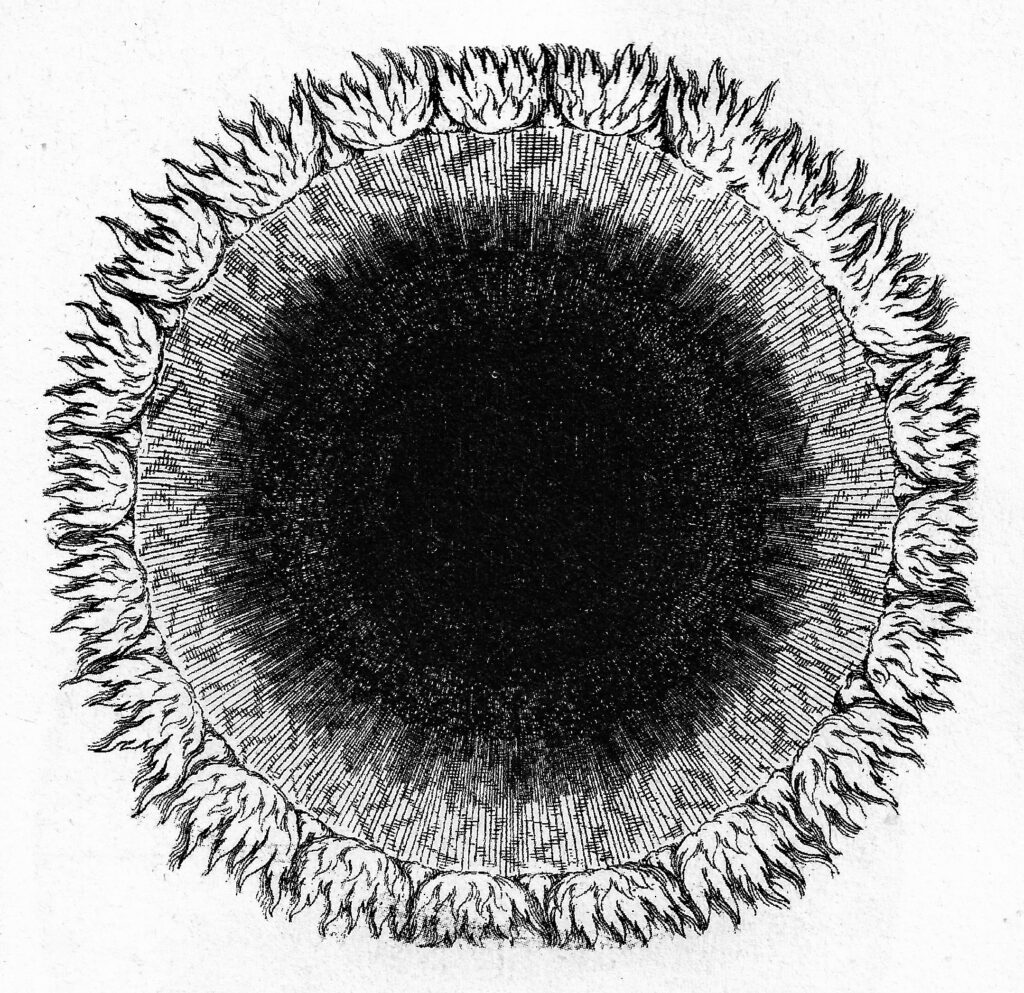
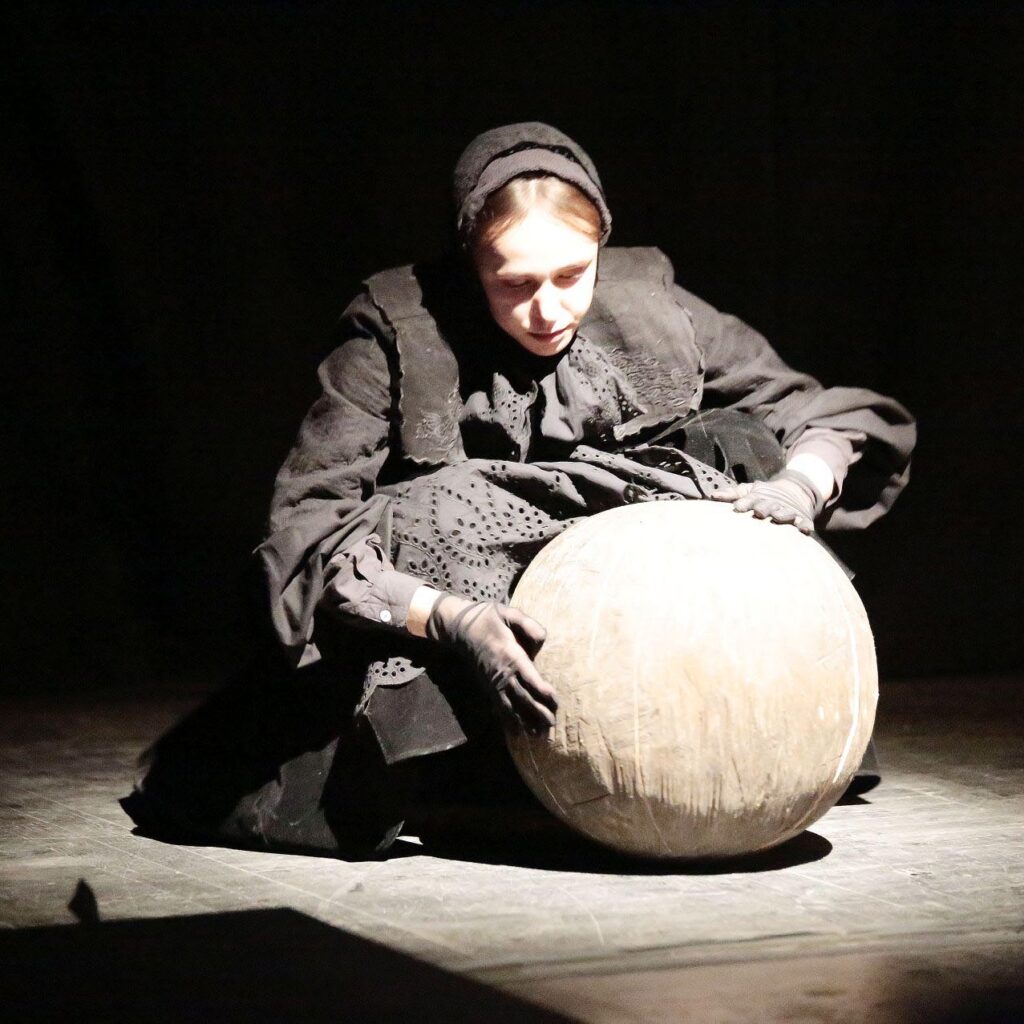
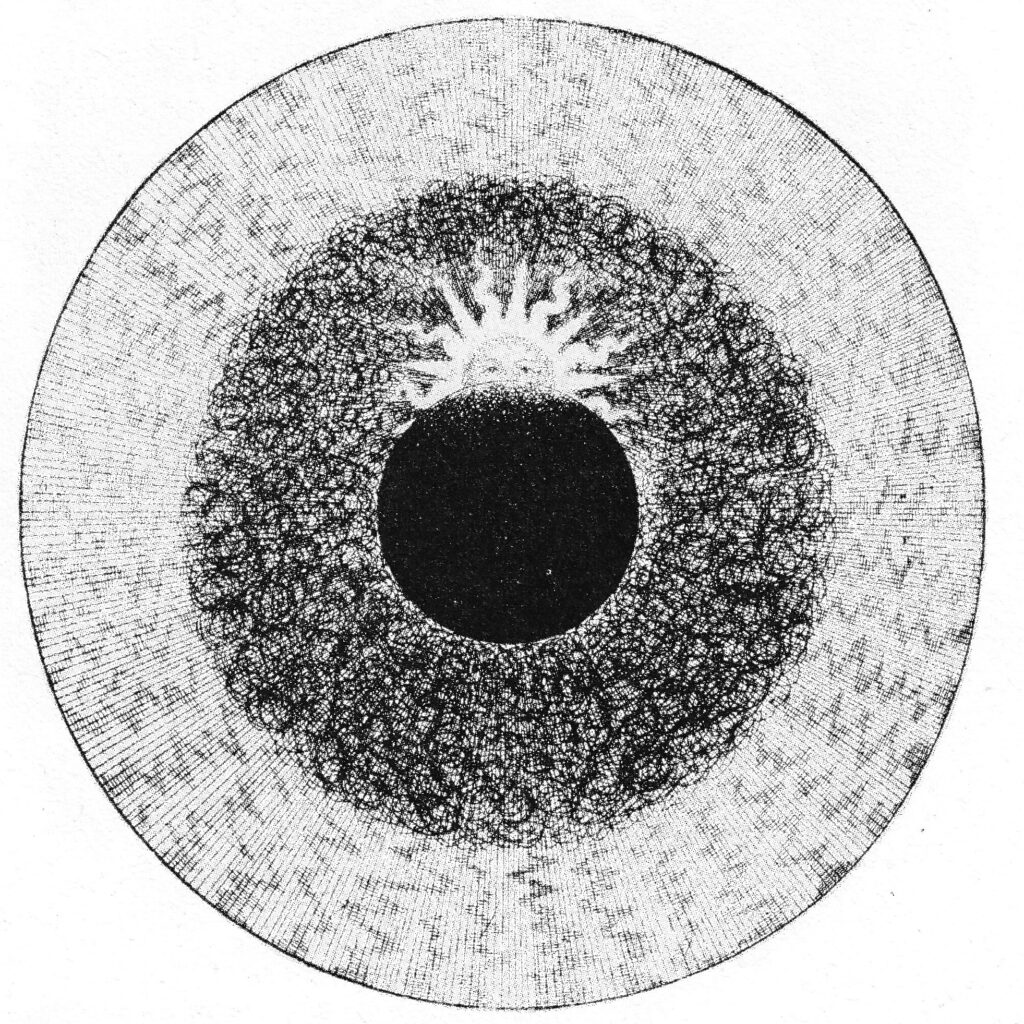
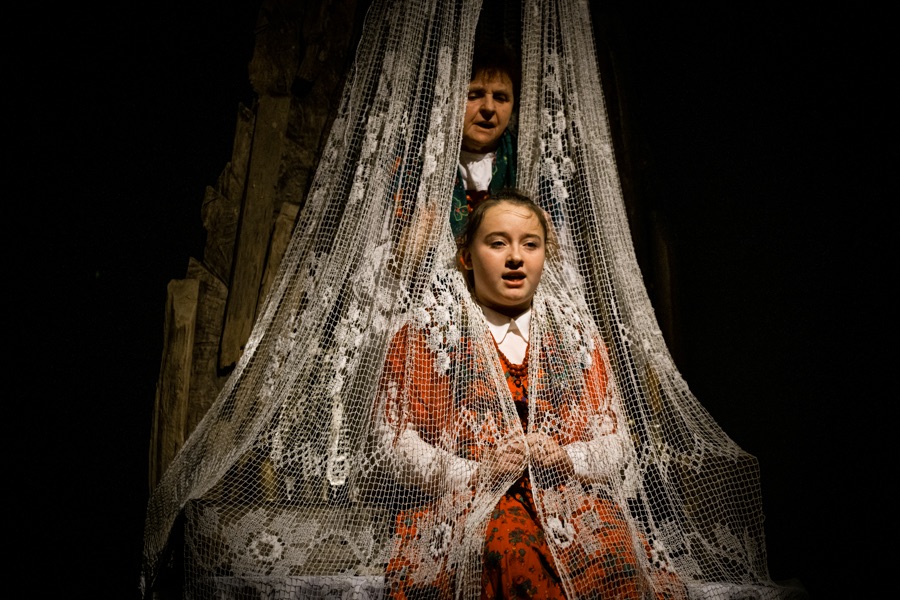
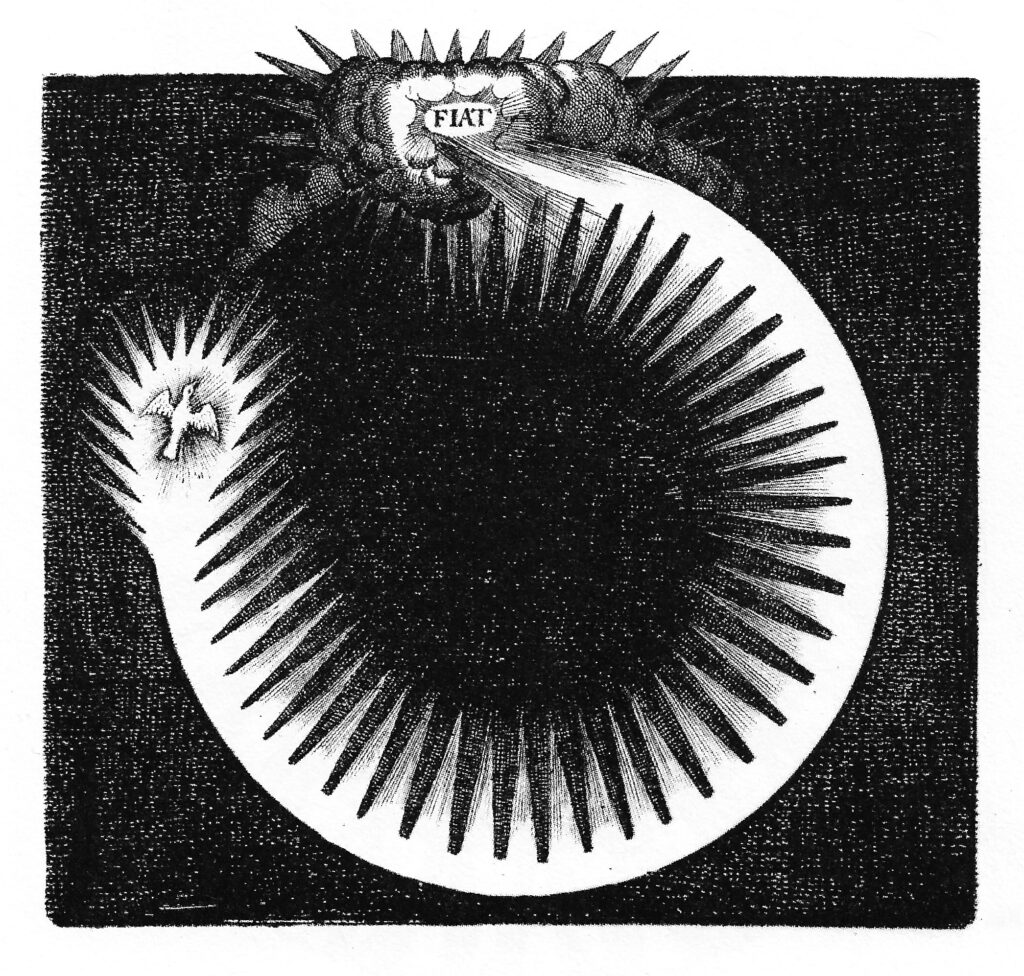
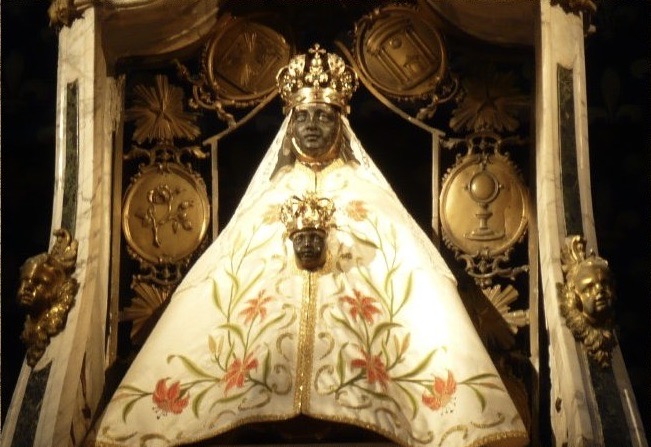
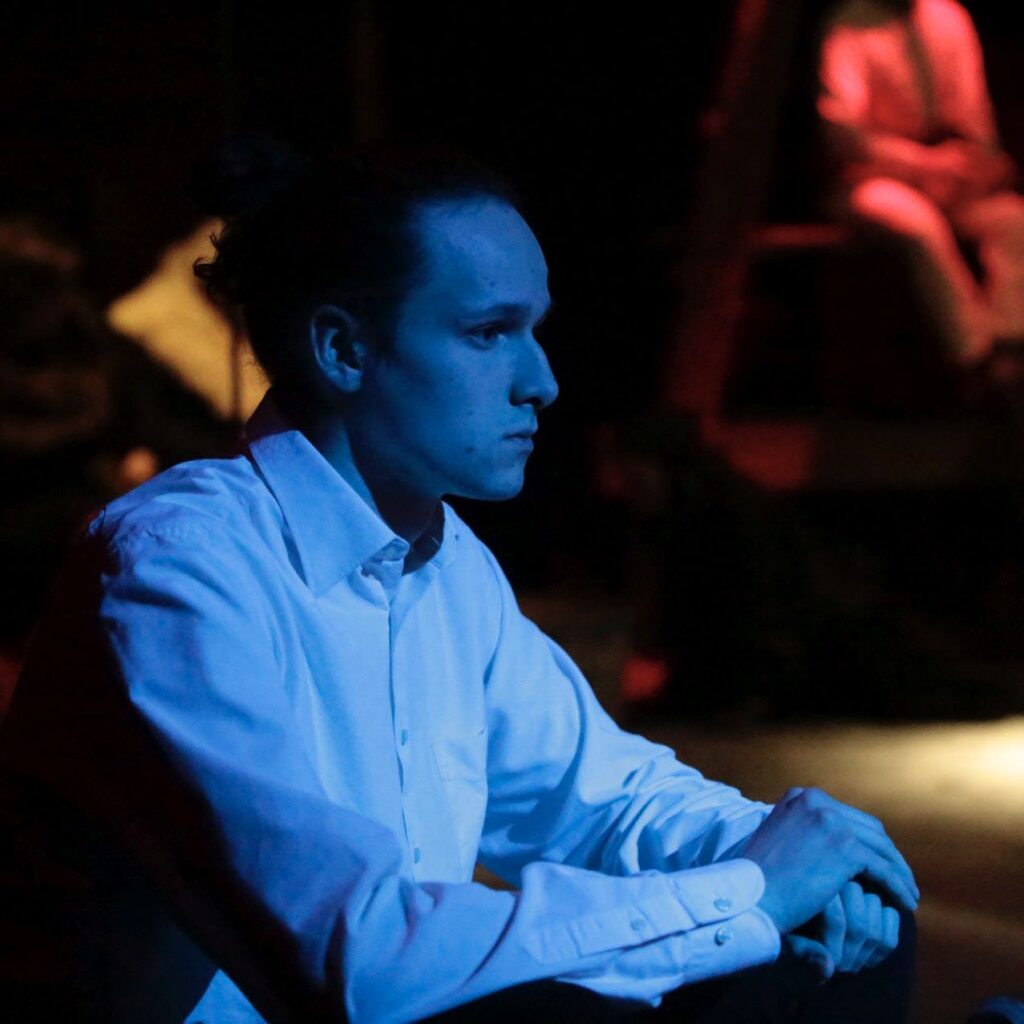
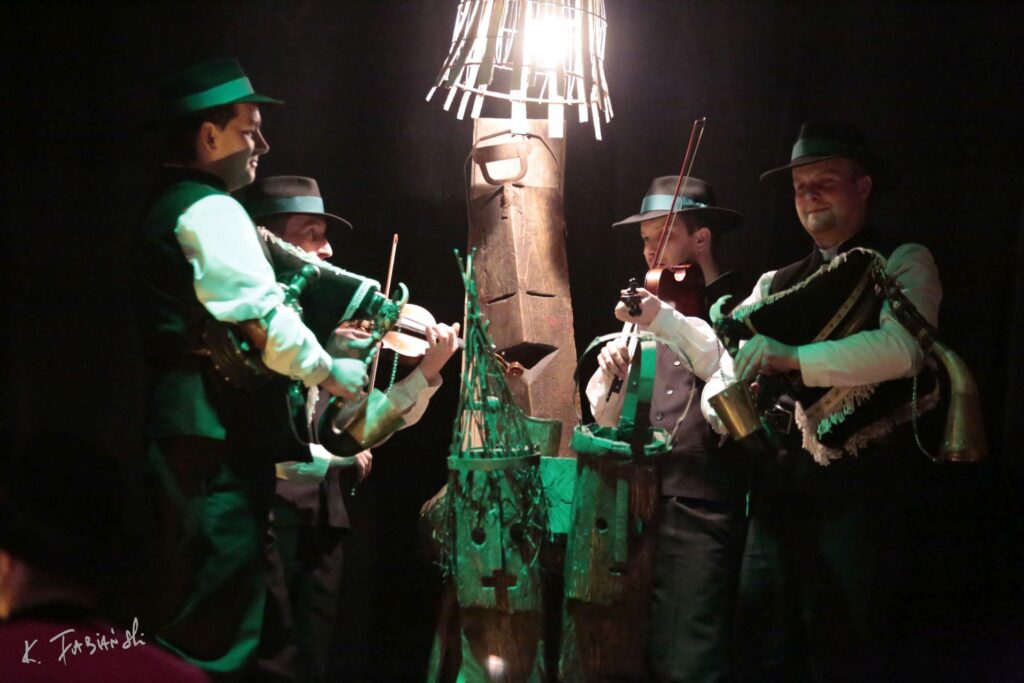
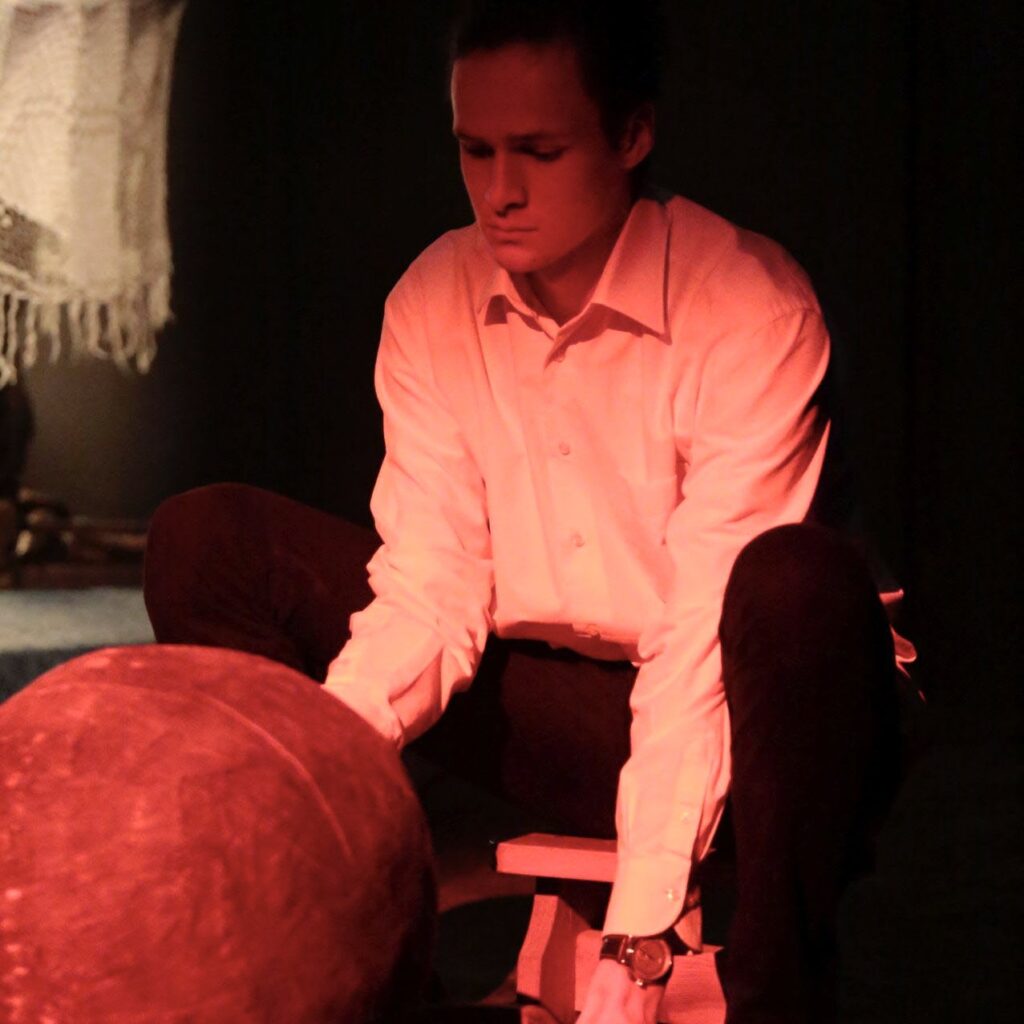
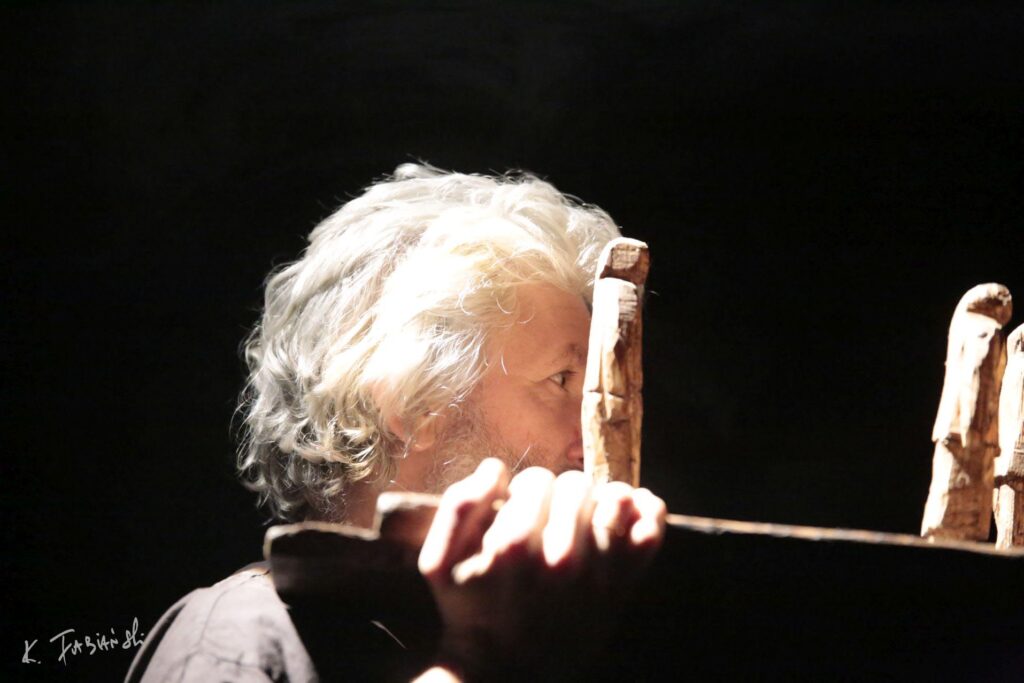
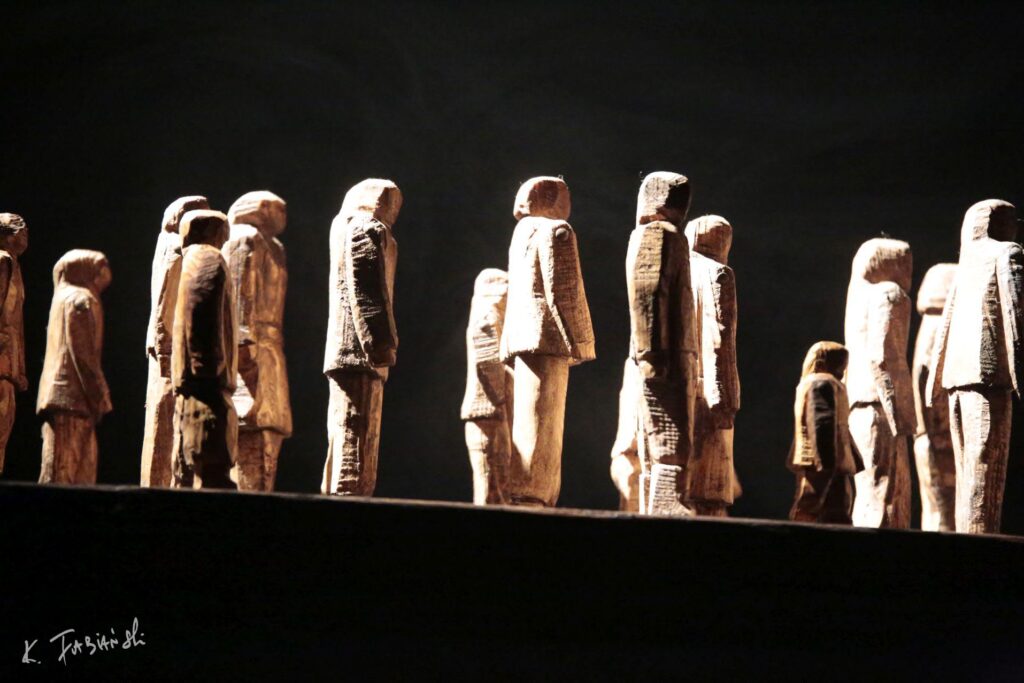
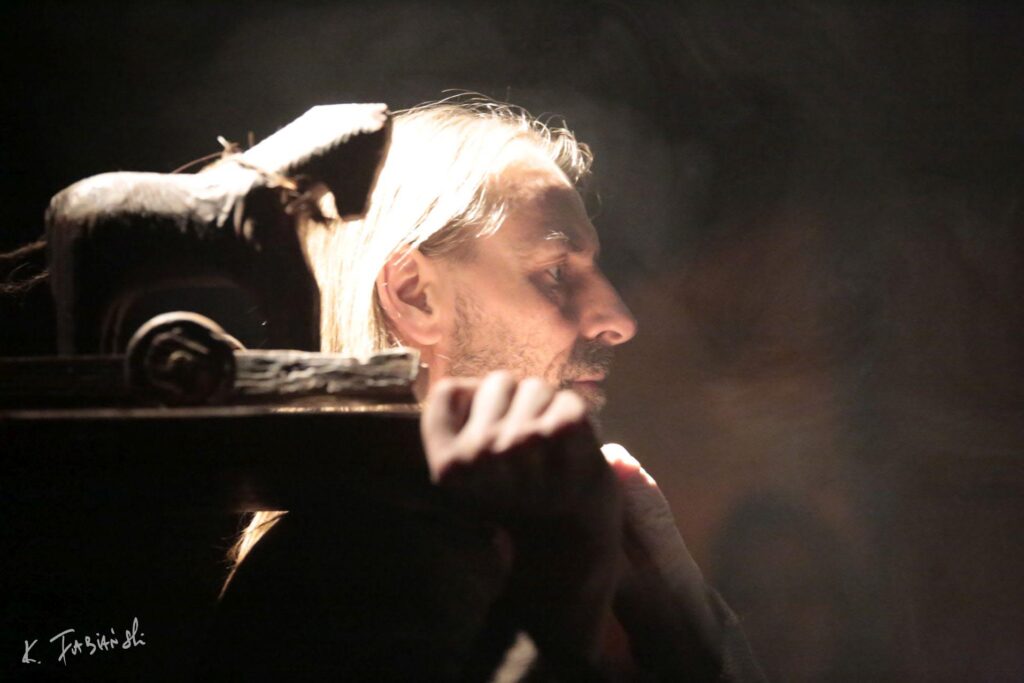
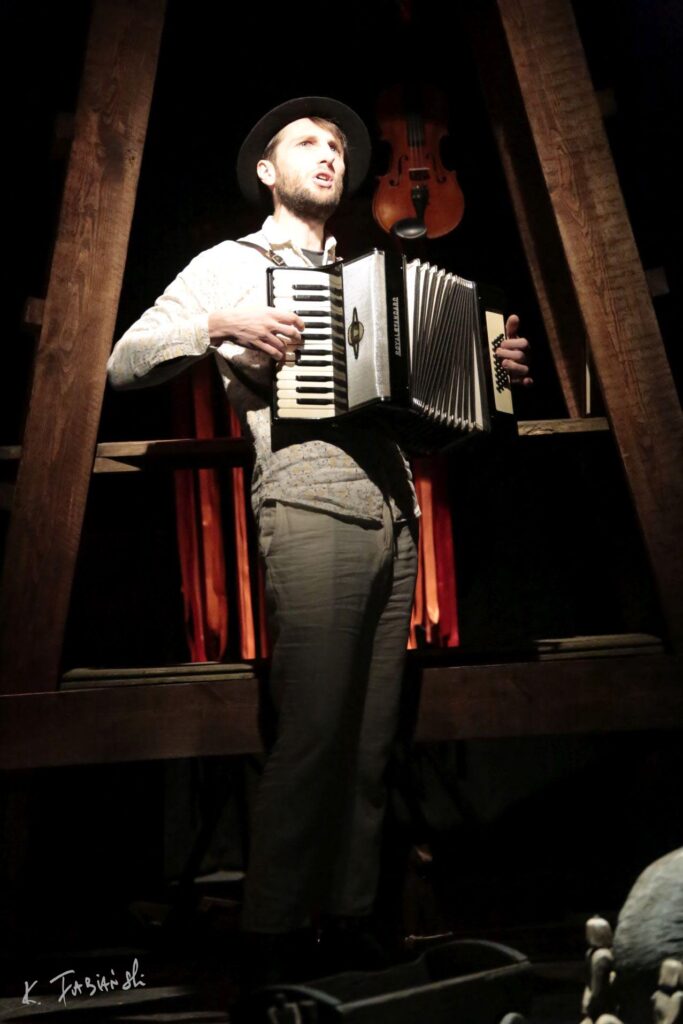
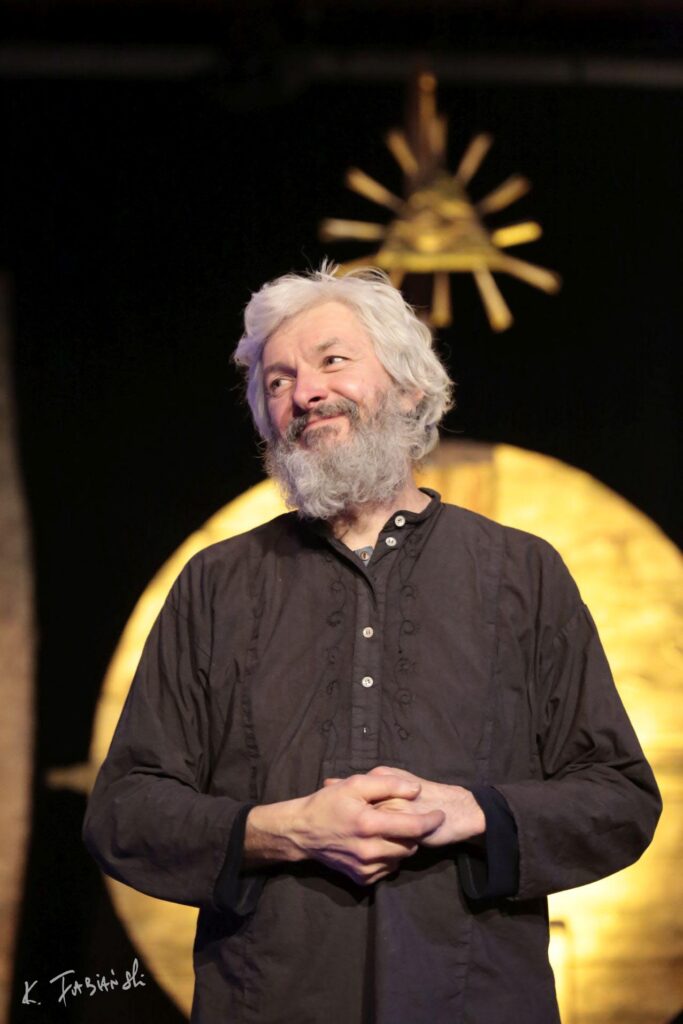
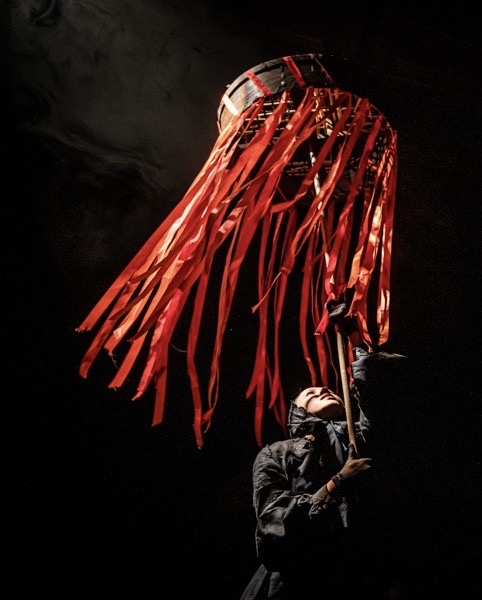
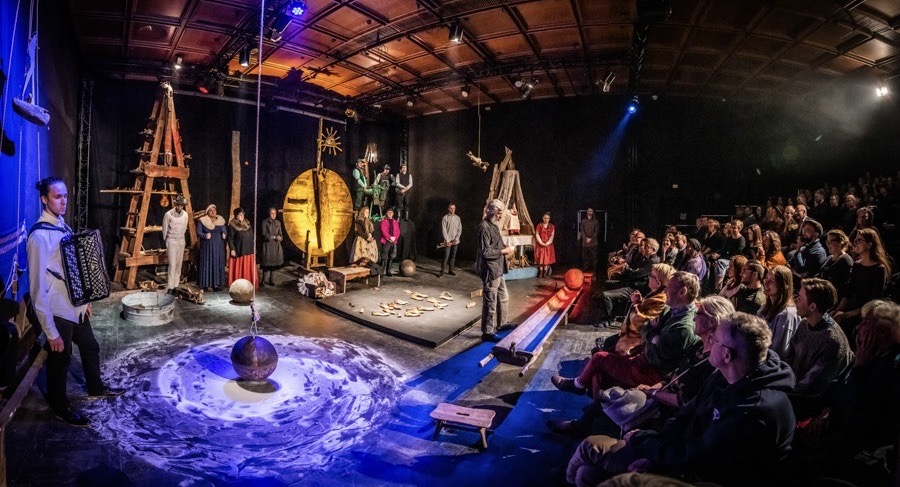
The premiere of the performance coincided with the arrival of the Covid19 epidemic, which made live performances impossible. Thanks to funds obtained in the competition for an artistic residency, together with Julia Hałas and the production team of Scena Robocza, we realized a film that is a guide to the ideas lying at the source of the performance’s creation.
In Search of Beauty
Curatorial tour of the Harmonia Vulgaris performance
The word music, from the Greek “mousike”, meant any activity patronized by the Muses. In Antiquity, it did not refer only to sounds but also included such arts as dance, poetry, or architecture. Saint Augustine claimed that music is the knowledge of number, measure, and proportion, and knowing music is not just the skill of singing, playing, or a taste for melodies; it is the cognition of numbers.
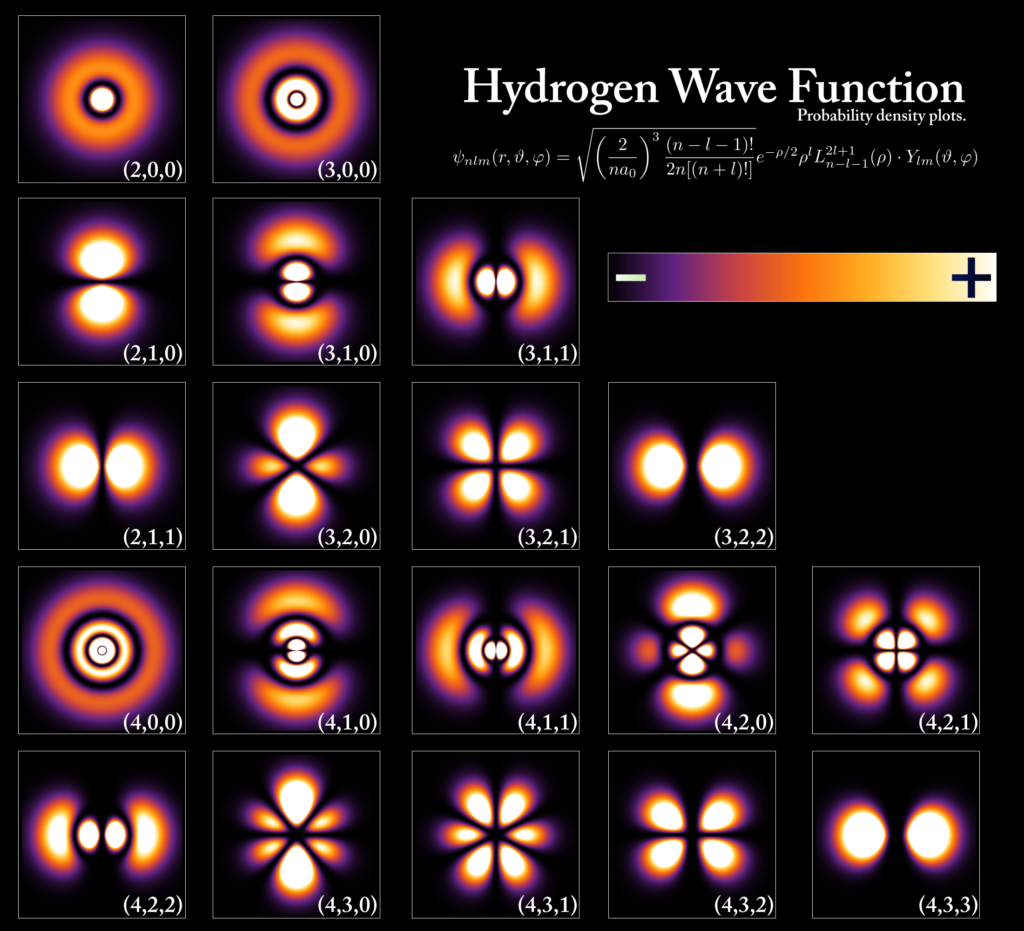
When an electron changes orbit, it makes no journey, covers no space, has no intermediate stages – it disappears from orbit X and immediately appears on orbit Y. This is called a quantum leap. When a girl sitting on a trough has her braid cut off, her wreath removed, and a cap put on – she disappears from maidenhood and immediately appears among married women. This is called a wedding.
Does quantum physics have anything in common with Tradition? And Tradition with the ancient idea of Harmonia Mundi?
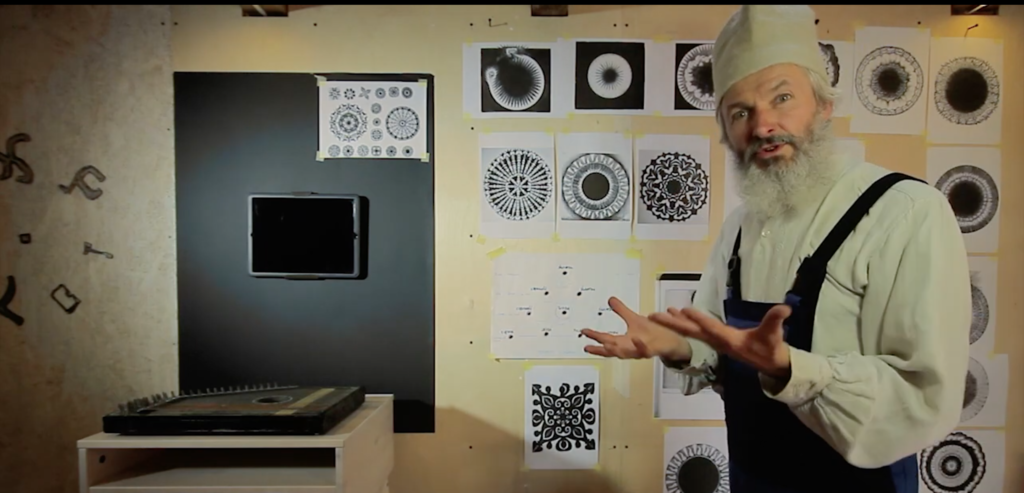
We invite you to a curatorial tour of the labyrinth of ideas that form the backbone of the Harmonia Vulgaris performance. The poetic narrative seasoned with home experiments from the borderline of physics, acoustics, and cymatics is the result of intergenerational cooperation between Jacek Hałas and Julia Hałas.
Narration: Jacek Hałas
Performance: Julia Hałas
Deconstructions of Wielkopolska melodies and songs: Jacek Hałas
courtesy of the performers: Jadwiga Tomczyk and Julia Grzelaczyk, Witek Roy Zalewski, the Manugi band, Basia Wilińska, Jonasz and Jakub Hałas, and archives from the collection “Music Worthy of Poznań”
Video: Kuba Borkowicz
Production: Aleksandra Kołodziej / Theatre Residence Centre – Scena Robocza
Online premiere: 27.06.2020
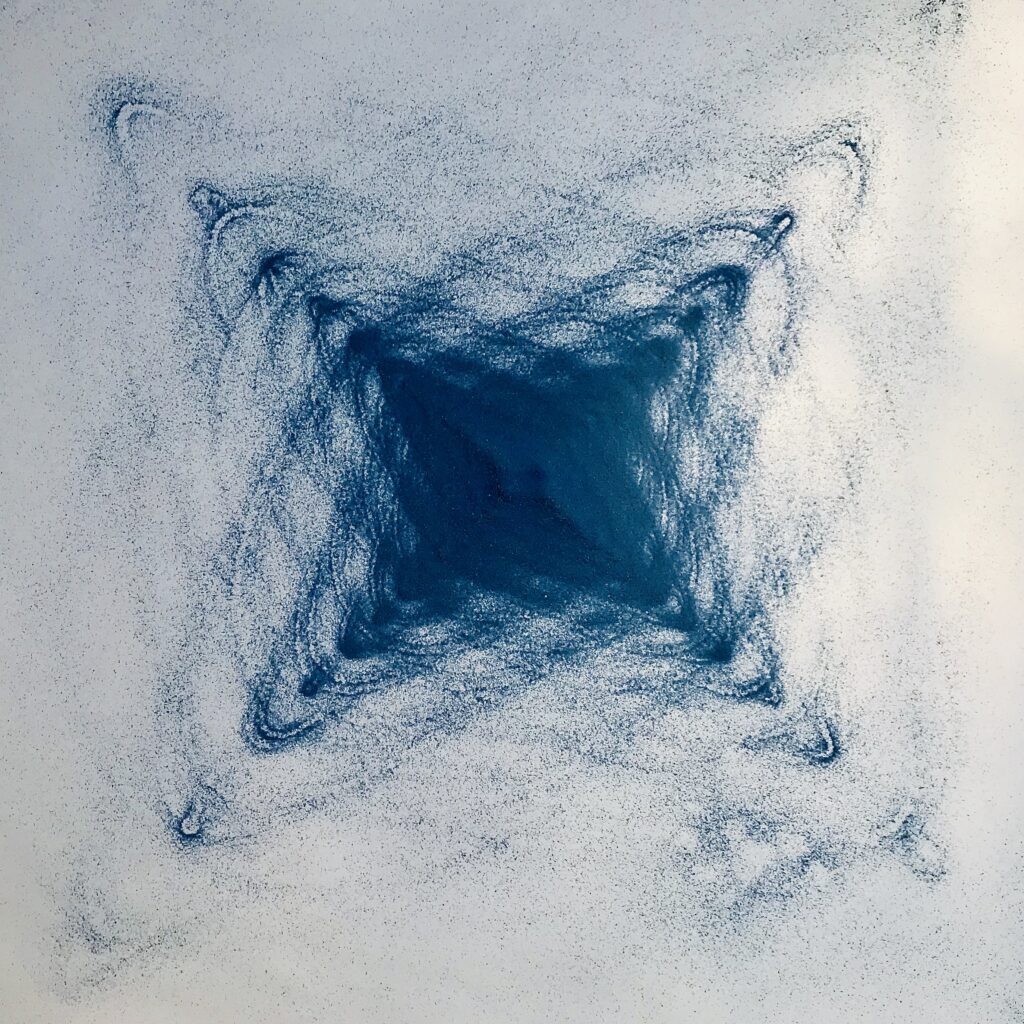
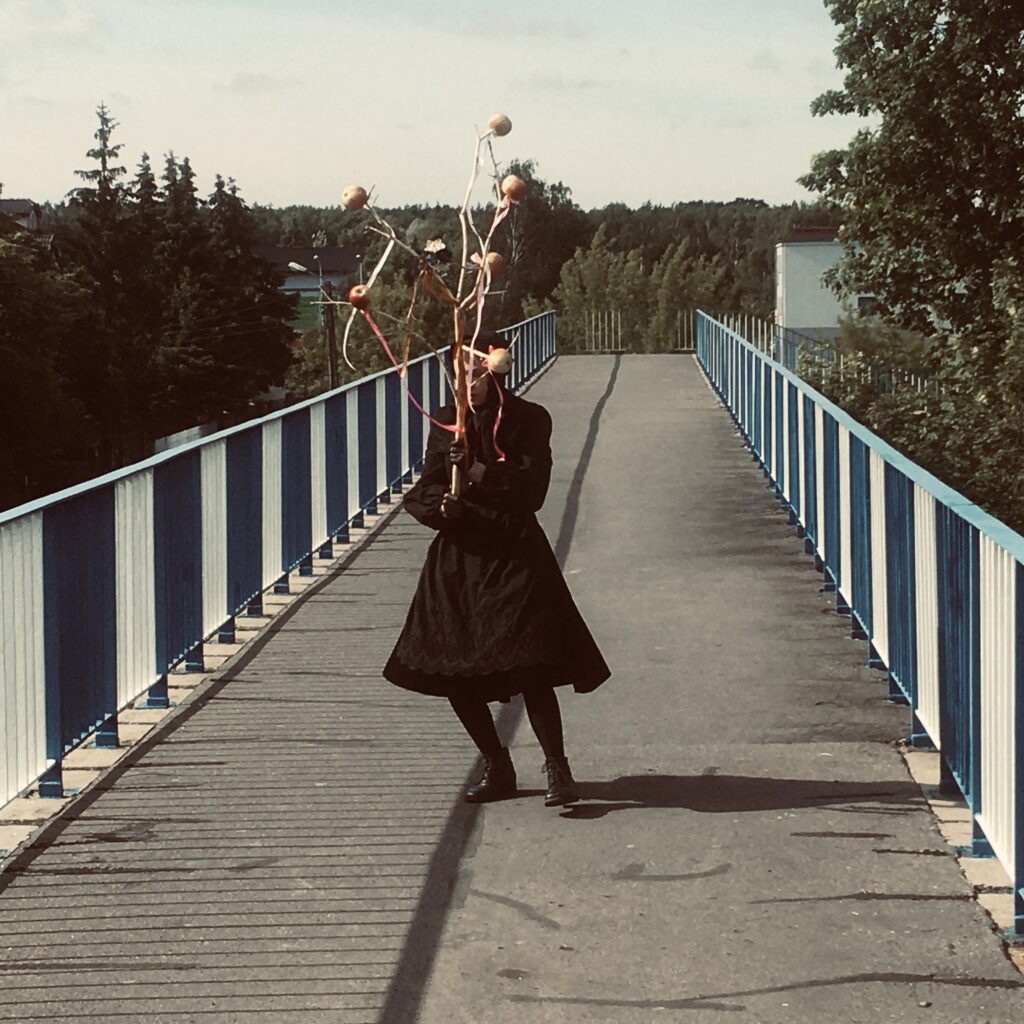
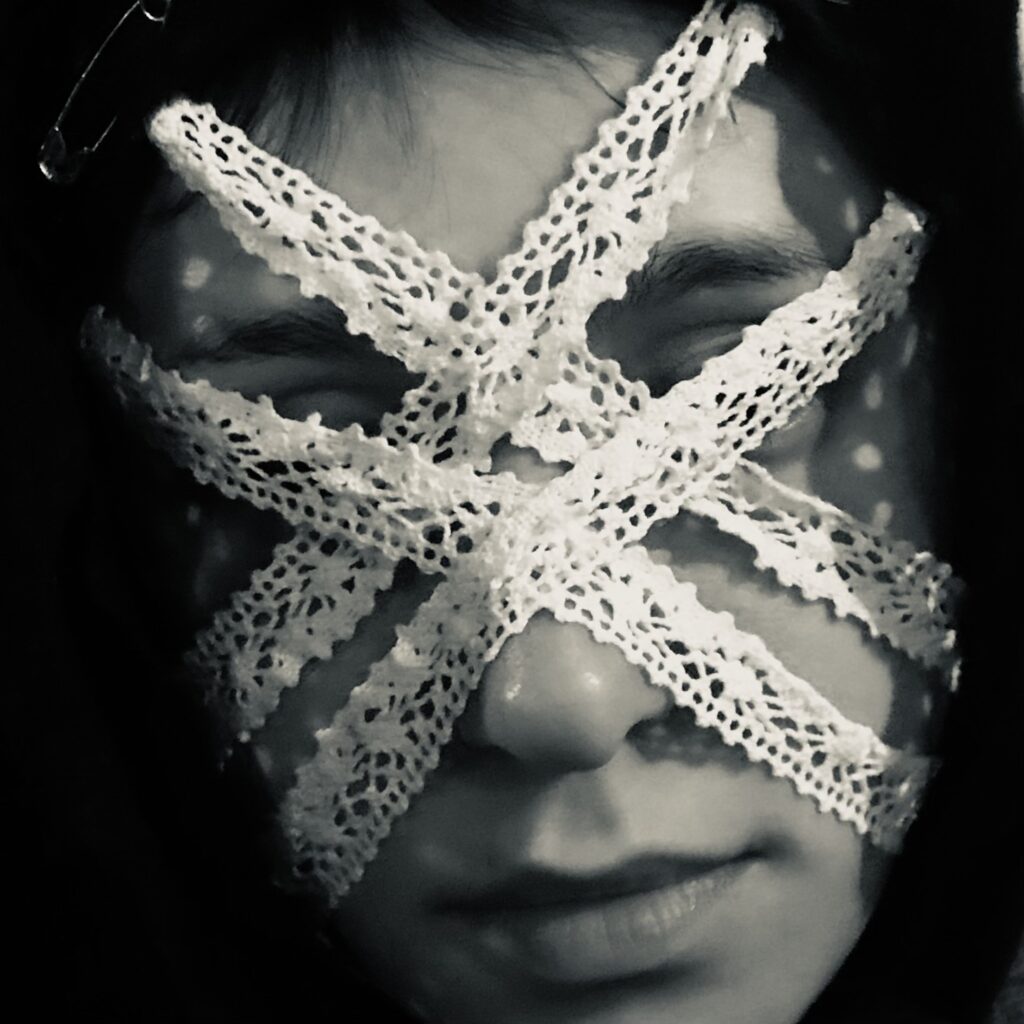
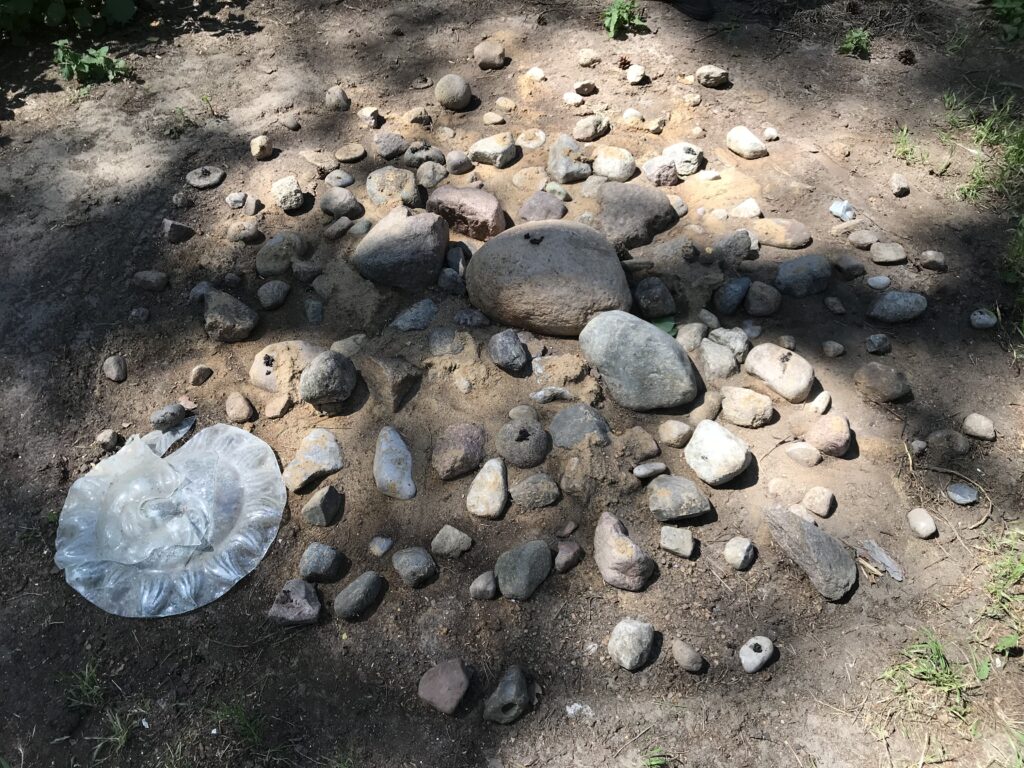
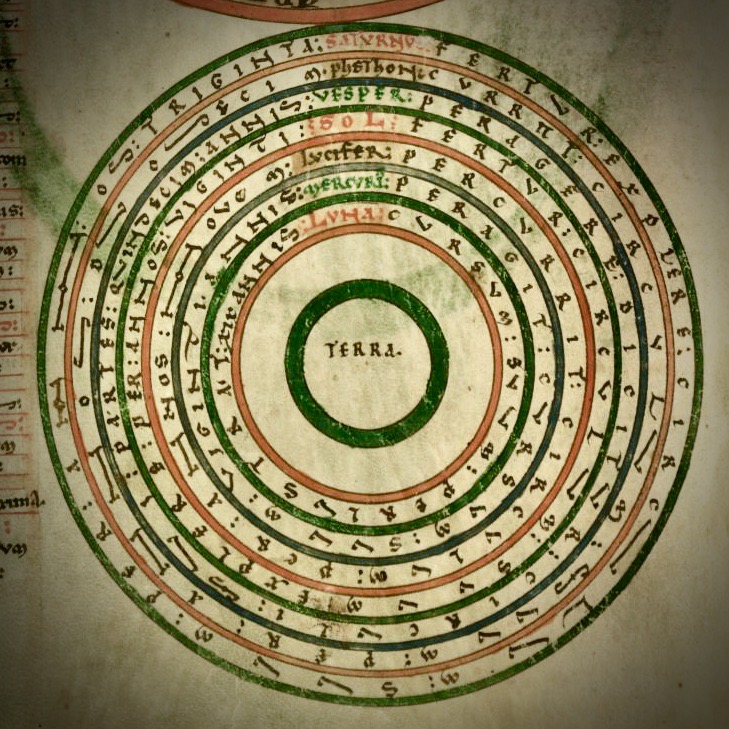
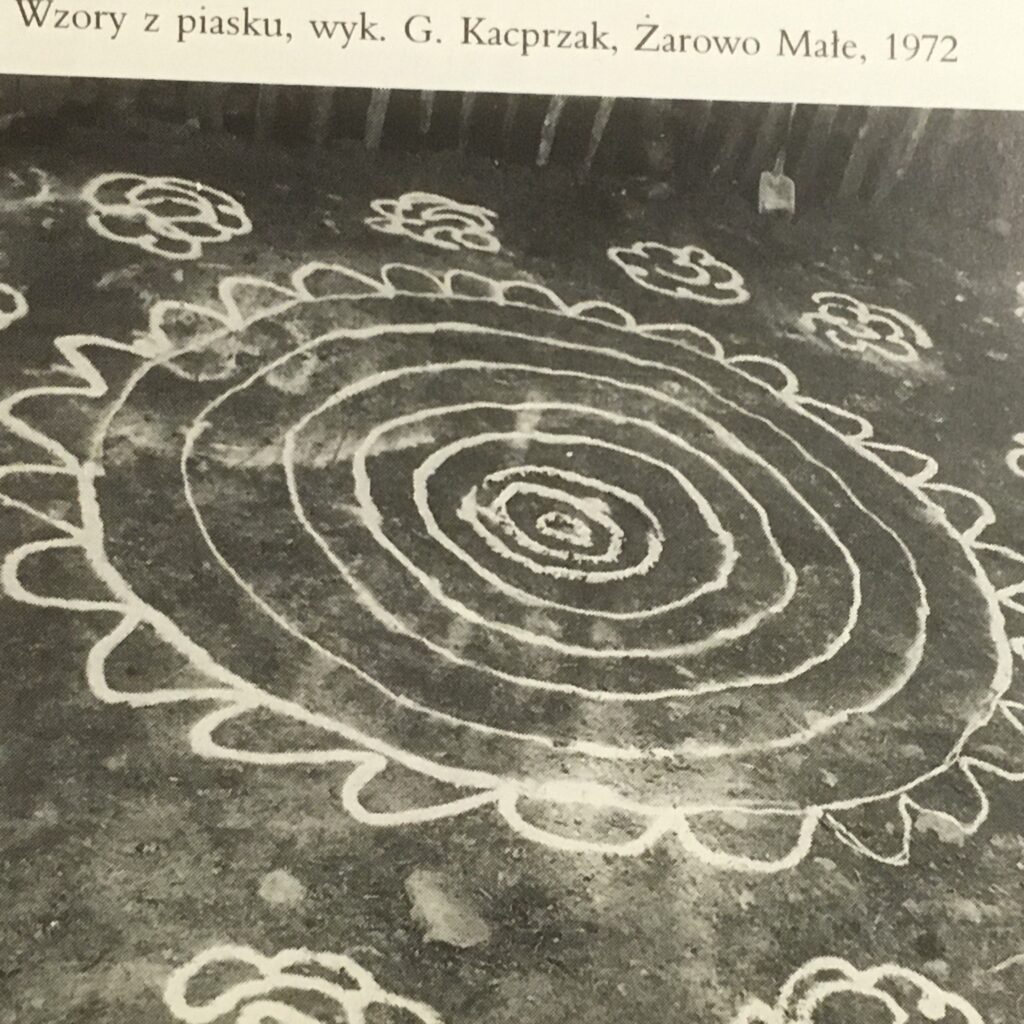
Hałas and his artists managed to create a performance that, on many levels of feelings and emotions, meets our consciously perhaps abandoned, but subconsciously persistent need for Beauty – that is, a spirituality deeper than aesthetics alone. (…) Just as Harmonia Mundi was an idea of the meaning of the world, not reality – so the thought of Harmonia Vulgaris seems to me a longing for a World that better satisfies the sense of meaning. A world personified by rural communities preserving the “eternal” Tradition.
– Andrzej Niziołek, czaskultury.pl (full review)
(…) the performance is worth seeing both for the idea itself, for its visual qualities, and for the participation of folk musicians, with particular emphasis on the Manugi band. But it is also worth emphasizing that important roles (…) are played here by Julia, Jonasz, and Jakub Hałas, and therefore the Author’s children. From the viewer’s perspective, one can get the impression that the performance also becomes a collective, family experience, in the best sense of these words. That here art becomes a joint discovery of the world in its fundamental aspects. And the language in which this is told is the language of traditional music.
– Tomasz Janas, polskieradio.pl (full review)